
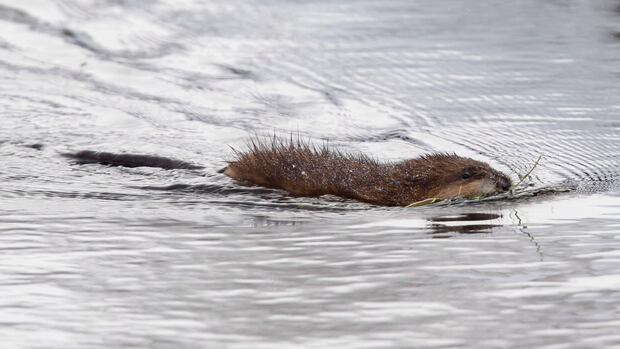
The Northwest Territories Species at Risk Committee (SARC) has designated muskrats as a species of “special concern” for the first time due to the threat posed by persistent drought conditions impacting their ecosystems across the territory. According to a recent statement from SARC, the population trends of muskrats offer valuable insights into the condition of freshwater habitats, which are increasingly at risk due to climate change effects and human activities such as dam construction and flood control measures.
While muskrats are still widely present in the N.W.T., there have been observed declines in their numbers, particularly in the Mackenzie Delta region, leading to concerns among knowledge holders about the species’ future. In response, the committee is advising a sustainable harvest approach and continuous monitoring to safeguard the existing muskrat population. Additionally, they recommend leveraging Indigenous knowledge to enhance public awareness of the declining muskrat populations.
In a related update, wood bison in the territory are still classified as “threatened” a decade after their initial assessment in 2016. The current wood bison herd outside Wood Buffalo National Park consists of approximately 2,760 individuals, with a gradual decrease in numbers over the past 15 years. Concerns about declining populations and disease have been raised by communities in the South Slave region and northern Alberta.
SARC suggests that relevant authorities enhance coordination and information sharing on wood bison population surveys, and implement new road safety measures to minimize collisions with these animals. The committee regularly evaluates species at risk of disappearing from the territory, issuing reports and recommendations to ensure their long-term survival. Comprising both Indigenous and non-Indigenous experts, SARC members are appointed jointly by federal and territorial governments, as well as representatives from the territory’s wildlife co-management boards.