
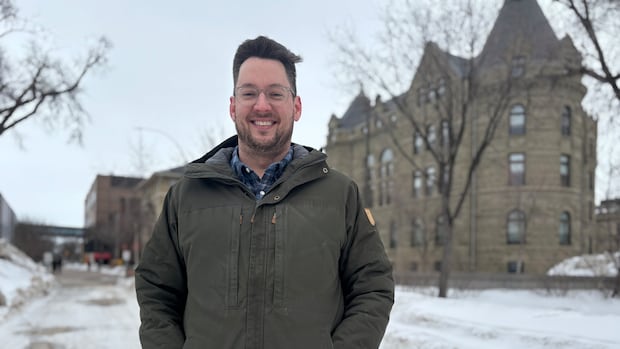
Brett Kraynyk is facing the renewal of his lease, and despite living in a rent-controlled property in Winnipeg, he is anxious about a potential steep rise in his rent if his landlord decides to cut his rent discount, as happened last year.
“I’m somewhat anxious about what lies ahead. Will my rent see a 1.8 percent increase, as mandated? Or will they eliminate the discount, leading to a rise of 10 or 15 percent? I honestly have no idea,” Kraynyk expressed to CBC News.
According to Manitoba regulations, rental properties are safeguarded by increase guidelines established by the province, which are determined by the consumer price index. Presently, the maximum allowable increase each year is 1.8 percent.
However, certain units, particularly those renting for over $1,670 monthly, do not have these protections. Landlords can also request permission for rent increases exceeding the guideline if the standard amount fails to meet their expenses for that unit during the year.
Landlords may provide tenants with a rent discount, but they can modify that discount at their discretion, provided they adhere to provincial regulations. Adjustments to these discounts can sometimes lead to substantial monthly rent hikes, even in properties like Kraynyk’s that are rent-controlled.
“It’s challenging for me to plan for other aspects of life when I’m aware that this possible significant expense is looming,” he remarked.
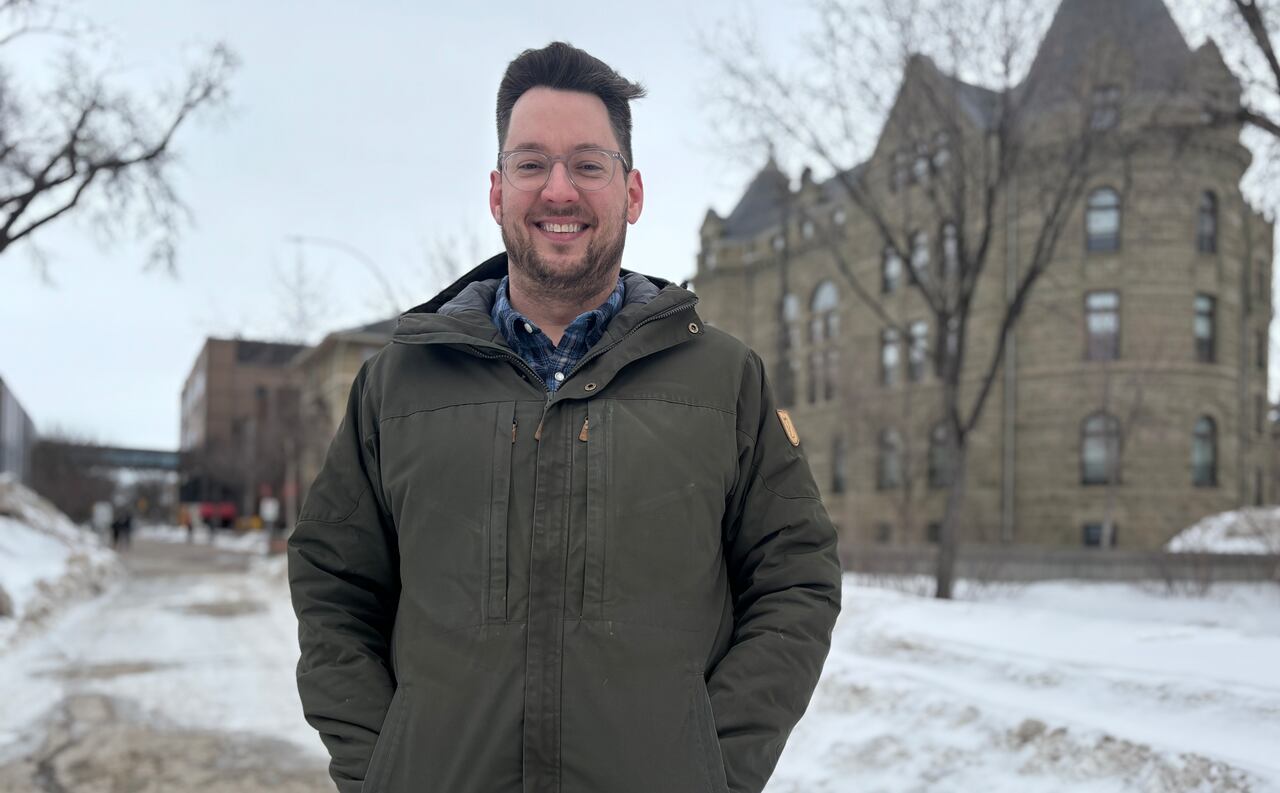
Kraynyk is concerned that his upcoming lease renewal may lead to a considerable rent hike. Although his two-bedroom apartment is rent-controlled, his landlord reduced a monthly discount last year, resulting in increased costs. (Santiago Arias Orozco/CBC)
Kraynyk entered into a lease that included a discount when he moved into his two-bedroom apartment in North Kildonan six years ago.
Since his apartment is under rent control, his landlord can only increase his base rent by the annual guideline percentage.
In 2024, Kraynyk’s rent was $1,104 per month — consisting of a base rent of $1,400 and a $296 discount.
However, in 2025, the amount he paid increased to $1,200, marking an approximate rise of 8.7 percent, after his property manager raised the base rent to $1,424 and reduced his discount to $224. The provincial guideline for rent hikes in 2025 was set at 1.7 percent.
“I’m lucky that I can manage my bills, maintain my place, and absorb a bit of a financial hit. But many others cannot,” Kraynyk stated.
His lease expires in the spring, and he is anxious about a potential change in his discount. If it were completely eliminated, he would face an increase exceeding 18 percent.
“I could cope with it, but it would compel me to relocate,” he noted.
Power Imbalance Between Landlords and Tenants: Advocate
Jace Kettner, an advocate with the Tenant Landlord Cooperation Program at the North End Community Renewal Corporation, points out that rent discounts are frequently reduced or removed over time.
“The result is often substantial rent increases, and tenants find themselves with little recourse in these situations. They must either choose to pay or move out,” he explained.
According to Kettner, the potential for discounts to be removed creates a power imbalance between landlords and tenants.
Renters might be reluctant to request necessary repairs or discuss changes in their tenancy due to fears that it could affect their discount.
“They generally prefer to avoid conflict,” he added.

Jace Kettner, an advocate with the Right to Housing Coalition and the North End Community Renewal Corporation, argues that the potential removal of rent discounts can create a power imbalance between landlords and tenants. (Submitted by Jace Kettner)
Rent discounts must apply for the entire lease term, unless otherwise specified by a time limit or additional conditions. If a landlord intends to decrease or eliminate a discount, they must provide a notice at least three months in advance.
Landlords are also not obligated to maintain the discount for any month where there has been a breach of any condition associated with it, such as timely rent payment.
Significant rent increases, even in rent-controlled properties, when a discount is removed or altered are “a very common issue,” Kettner noted.
“It’s certainly a method for landlords to circumvent those rent controls,” he remarked. “It significantly undermines the effectiveness of rent regulations in Manitoba.”
The Residential Tenancies Branch can intervene, but renters typically accept changes to discounts to maintain their housing, according to Kettner.
“You’re Trying to Keep Up”
Avrom Charach, a spokesperson for Manitoba’s Professional Property Managers Association, stated that when landlords are given the chance to modify a rent discount, they usually opt to decrease it rather than eliminate it entirely.
According to him, discounts are seldom drastically altered, and when they are, it is often to align the rent with similar units.
Even if a discount is reduced, the increase in a tenant’s base rent remains constrained by provincial regulations, Charach explained.
“To suggest this is a loophole for charging more than what the government permits is inaccurate,” he stated.
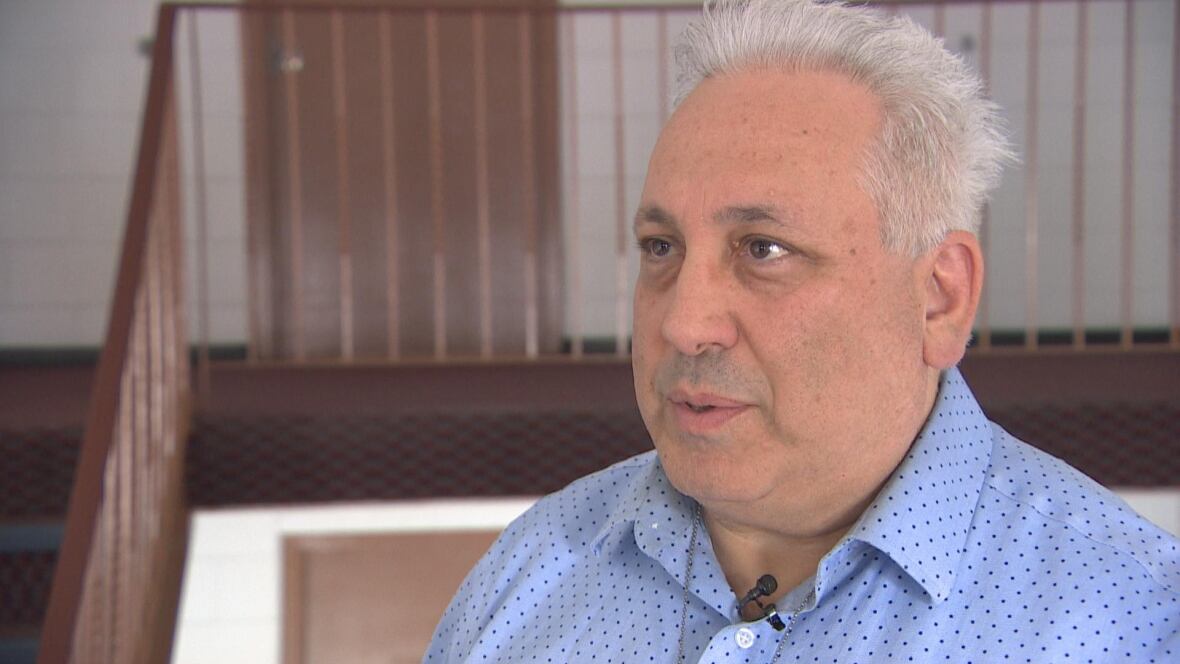
Avrom Charach, a representative of the Professional Property Managers Association, mentions that while rent discounts are seldom entirely cut, they may be lowered to address rising maintenance costs. (Justin Fraser/CBC)
He also pointed out that some rent discounts have been in effect for years.
Adjusting a discount is one approach for landlords to stabilize their income amid rising utility rates, employee salaries, and other expenses, Charach added.
“If you’re eliminating your discount, you’re trying to balance the books,” he remarked.
“We are under tremendous pressure, similar to what tenants are experiencing.”
“Gaming the System”
Charach emphasized that the terms surrounding discounts must be clearly outlined in a rental contract.
However, there are no regulations that clarify whether the base price advertised for a unit includes a discount. Each landlord determines when to inform potential tenants about the discount.
“Transparency isn’t a bad idea, but I’m not entirely sure we need a regulation for it,” Charach said.
He suggested that property owners should be permitted to raise rents above the provincial guideline for new tenants moving into a unit, to help cover renovation expenditures between tenants. This would lessen reliance on altering discounts, he noted.
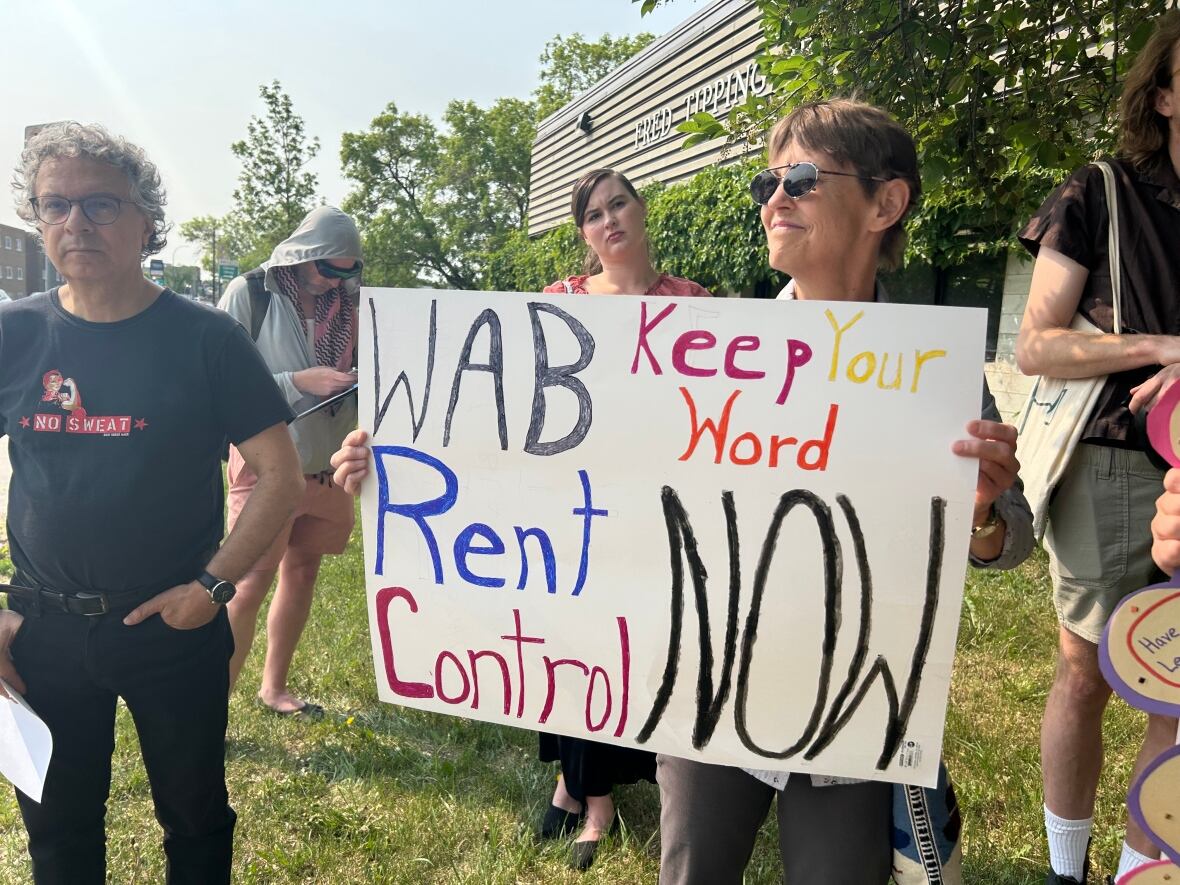
A group of individuals rallied outside Premier Wab Kinew’s constituency office in 2025. Manitoba’s Right to Housing Coalition argues that the province still needs to tackle issues surrounding rent discounts. (Ian Froese/CBC)
However, Yutaka Dirks from the Right to Housing Coalition warned that this could incentivize landlords to evict current tenants if a new tenant would pay a higher rent.
Under the existing framework, landlords can seek an above-guideline rent increase, but they may find it challenging to locate a tenant who is willing to pay the new rate, Dirks noted.
Yet, a property owner might attract a renter by advertising a discount, only to later remove it to charge the full rent amount they originally sought, he explained.
“It’s a method of gaming the system,” Dirks remarked. “This approach contradicts the fundamental principle of rent regulation, which is to stabilize rents and prevent rent gouging.”
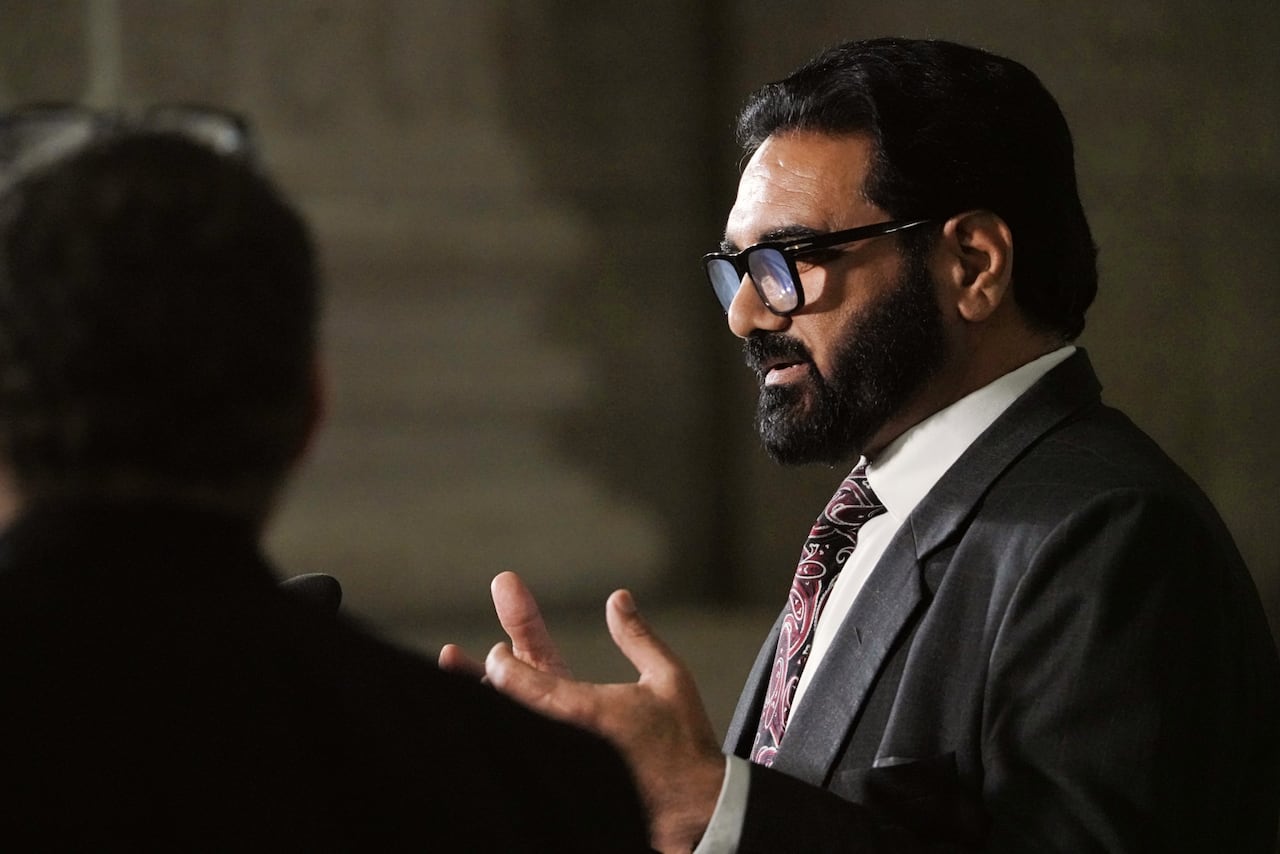
Public Service Delivery Minister Mintu Sandhu, seen in a file picture, announced several changes last week to rent regulations in Manitoba, which include expanding the number of units covered by rent control protections. (Bryce Hoye/CBC)
Regarding rent discounts, Public Service Delivery Minister Mintu Sandhu stated in a release that his government has introduced “the most extensive expansion to rent control in decades.”
Recently, the NDP proposed several amendments aimed at broadening rent control protections.
However, the proposed amendments do not directly address the issue of rent discounts, according to the Right to Housing Coalition.
While Kraynyk mentioned he can manage the financial impact of a change to his rent discount, others on fixed incomes may not have that luxury.
The province must reform the system to ensure that rent reductions are not utilized as a “back door” for raising rents, Kraynyk asserted.
“The current environment allows these types of unethical practices to flourish,” he concluded.
Manitoba’s government plans to expand protections for renters, but some say little is being done to address regulations around rent discounts. Advocates argue landlords have wide discretion to change rent discounts, which can lead to hefty increases, even in rent-controlled properties.