
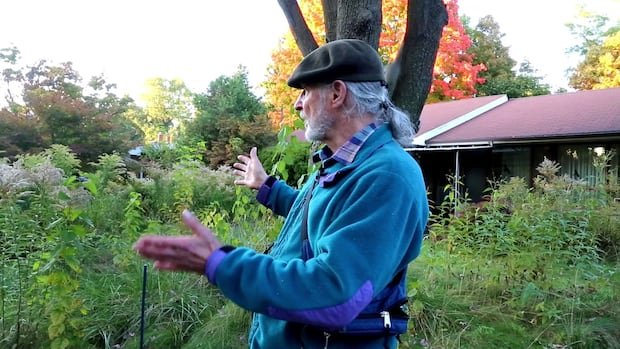
A man from Mississauga successfully challenged the city in Superior Court regarding a weed control bylaw that restricts the height of plants and grass on residential properties. Wolf Ruck, the homeowner at the center of the legal dispute, emphasized his commitment to preserving nature. He viewed his actions as a personal contribution to combat biodiversity loss and climate change.
Following a self-represented case, Ruck prevailed against the City of Mississauga over a bylaw section limiting grass height to 20 centimeters and certain plant growth. Although Ruck sought damages of $2.46 million, the court did not award him any monetary compensation. The court decision highlighted that aspects of the bylaw infringed on Ruck’s freedom of expression rights, as articulated by Justice M.T. Doi.
The City of Mississauga is currently evaluating the ruling and exploring potential next steps in response to the legal outcome. Ruck, a resident of Orchard Heights since the 1970s, ceased mowing his lawn in 2021, sparking a prolonged legal conflict. Complaints concerning Ruck’s tall grass were reported to the city at various intervals, triggering enforcement actions against him.
In defense of his position, Ruck explained that by allowing parts of his lawn to grow naturally, he promoted biodiversity and pollination. He described his lawn as comprising cultivated islands surrounded by a regularly maintained pathway, rather than being entirely overgrown. The city’s argument for the bylaw emphasized its role in fostering a healthy and safe environment for residents.
Contrary to the city’s assertions, the court ruling questioned the lack of evidence supporting the necessity of limiting grass height or removing specific weeds for public health, safety, or ecological diversity in urban settings. The ruling underscored the importance of municipalities presenting compelling justifications for restrictive measures rather than relying on conformity to existing norms.
Ruck expressed regret over strained relations with neighbors resulting from the dispute but hoped that the court’s decision safeguarding freedom of expression would establish a significant precedent. Legal representation from the Canadian Constitution Foundation noted that the court essentially deemed Mississauga’s bylaw unenforceable without substantiated evidence supporting the restrictions imposed.
The lawyer emphasized the need for governments to justify regulations based on credible threats or risks, such as fire hazards, invasive species, and visual blight, while respecting individuals’ expressive freedoms. The legal intervention in this case could prompt other municipalities with weed control bylaws to reassess their regulations in light of the court ruling.