
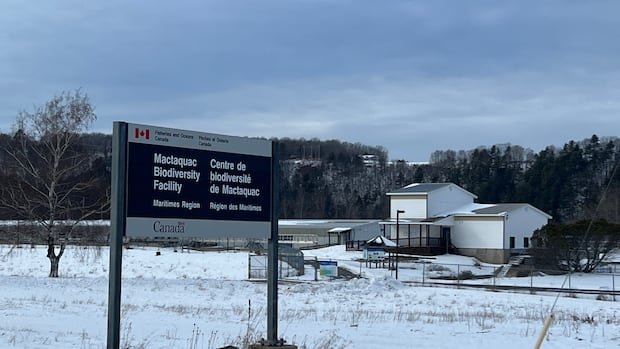
The closure of the Mactaquac Biodiversity Facility in New Brunswick has faced backlash from the Wolastoqey Nation, Atlantic salmon scientists, and conservationists. This facility, primarily consisting of a hatchery in French Village near the Mactaquac Dam on the St. John River, is being shut down by the Department of Fisheries and Oceans along with another facility in Coldbrook, N.S., as part of government cost-cutting measures.
Critics, including the Wolastoqey group representing six communities, express deep concern over the unilateral decision to close the biodiversity operation without consulting them. The discontinuation of the Atlantic salmon live gene bank program and related salmon-stocking activities has sparked worries about the impact on the river and the salmon populations.
Various programs at the Mactaquac facility, such as collecting wild brood stock, fertilizing eggs, and releasing baby salmon, have been crucial for sustaining salmon populations in the region. The closure of the hatchery is predicted to have detrimental effects on the salmon populations in the St. John River, which have drastically declined over the years.
Experts emphasize the importance of maintaining the hatchery operations to prevent further decline in salmon populations. They urge the government to reconsider shutting down the facility and to explore alternative solutions to support salmon conservation efforts. The closure of the hatchery would not only result in the loss of decades of work but could also jeopardize the survival of salmon populations in the region.
Both the Wolastoqey Nation and conservationists are calling for a collaborative approach to address the challenges facing salmon conservation in the region. They stress the need for continued efforts to protect and preserve salmon populations in the St. John River and highlight the importance of ensuring the long-term sustainability of these critical species.