
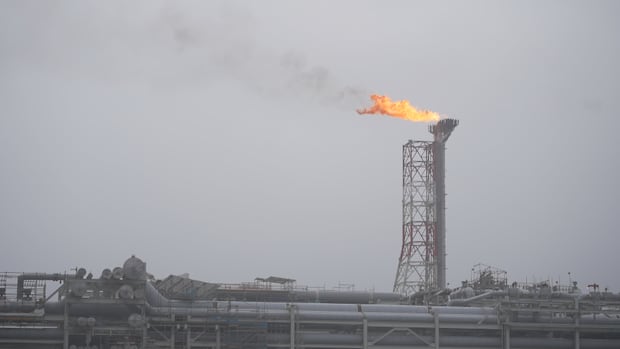
LNG Canada has filed a request to significantly increase its routine flare limit, proposing a nearly tenfold rise, which has led to criticism from environmental health advocates and B.C. Green Party Leader Emily Lowan.
Lowan described the move as “utterly reckless” unless a thorough health evaluation is conducted beforehand.
A representative from the liquefied natural gas export facility located in Kitimat, B.C., stated that the enhancement in limits is necessary to manage greater flare volumes that may occur during the initial operational stages.
The company explained that the start-up phase, coupled with a problem related to one of its flare tips, resulted in their flare volumes surpassing permitted levels in 2025 and early 2026, according to information obtained through freedom of information (FOI) requests by a researcher from the University of Victoria.

The LNG Canada spokesperson noted that they have successfully reduced flaring by 40% in the past six months and are working on a new flare tip to enhance reliability and efficiency.
According to Gordon McTaggart-Cowan, a professor at Simon Fraser University’s school of sustainable energy engineering, flaring is a practical method for eliminating most methane-rich excess gas.
He stated, “[It’s] the least bad of the options available.”
Health Concerns
However, several environmental health professionals express concern regarding the potential effects of a nearly 9.75 times increase in flaring on local communities.
-
Terrace council backs request for assessment of LNG industry health impacts
-
Kitimat council opts to not support call for LNG health impact assessment
Tim Takaro, who leads planetary health at SFU’s school of medicine, remarked, “There is a reason for the air quality discharge permit to have the numbers that it did.” He emphasized that the purpose was to safeguard human health.
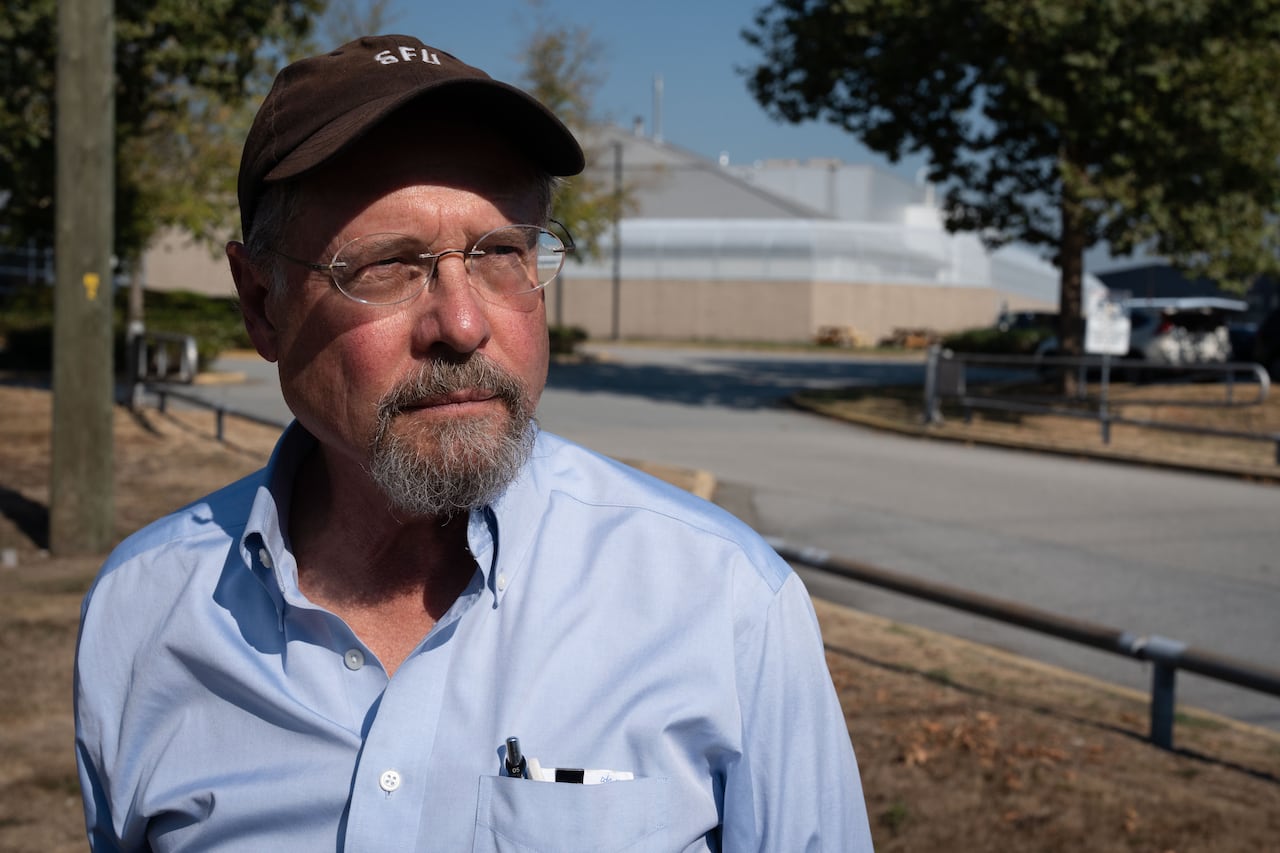
Tim Takaro, planetary health lead at SFU’s school of medicine, says there is a reason the flaring limits are set the way they are. (Maggie MacPherson/CBC)
He pointed out that certain substances released during flaring, such as volatile organic compounds (VOCs), are known carcinogens that can exacerbate asthma and other respiratory conditions, while others like benzene have no established safe exposure level.
Takaro added that the Kitimat airshed is already under pressure, especially when wildfire smoke or weather conditions trap pollutants, increasing health hazards linked to emissions from LNG activities.
Chris Carlsten, who leads the respiratory medicine division at the University of British Columbia, mentioned that although factors like wind mean that an increase in flaring does not directly correlate to increased exposure, it can still affect the population.
He noted that individuals with pre-existing heart and lung ailments are at heightened risk.
“These are real people who may be more vulnerable to local increases,” he stated.
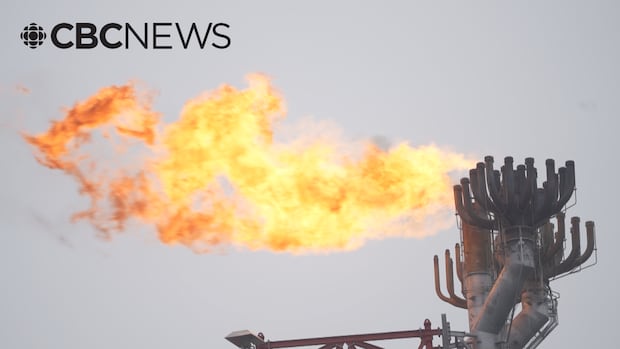
LNG Canada asserts that its proposed changes are backed by updated air dispersion modeling and a revised human health risk evaluation.
The company claims that air quality monitoring in Kitimat consistently falls within the good or low-risk categories, according to the province’s Air Quality Health Index. They further stated that the requested flare increase “is not anticipated to significantly elevate emissions in the local airshed.”
Lowan countered that any potential health effects on the community must be thoroughly assessed before permitting any expansion.
-
Gas flaring at LNG Canada far exceeds permitted volume, documents show
-
LNG Canada equipment problems, flaring violations detailed in report
She expressed alarm that it required an FOI request for the company’s excess flaring to be disclosed, labeling their operations as “incredibly untransparent.”
“The B.C. Energy Regulator must become more diligent and genuinely prioritize the welfare of B.C. communities over the interests of foreign-owned fossil fuel corporations,” she asserted.
Similar Concerns for Woodfibre LNG
The request from LNG Canada coincides with the B.C. Energy Regulator’s review of an air permit application for the Woodfibre LNG facility located near Squamish, B.C.
This project, which is approaching completion, has similarly raised concerns regarding air quality and public health.
Tiaoutenaat Roberta Williams, an elder of the Squamish Nation, is part of a coalition of advocates, including the Canadian Association of Physicians for the Environment and My Sea to Sky, urging the energy regulator to reject Woodfibre LNG’s air permit unless it mandates ongoing, real-time air monitoring.
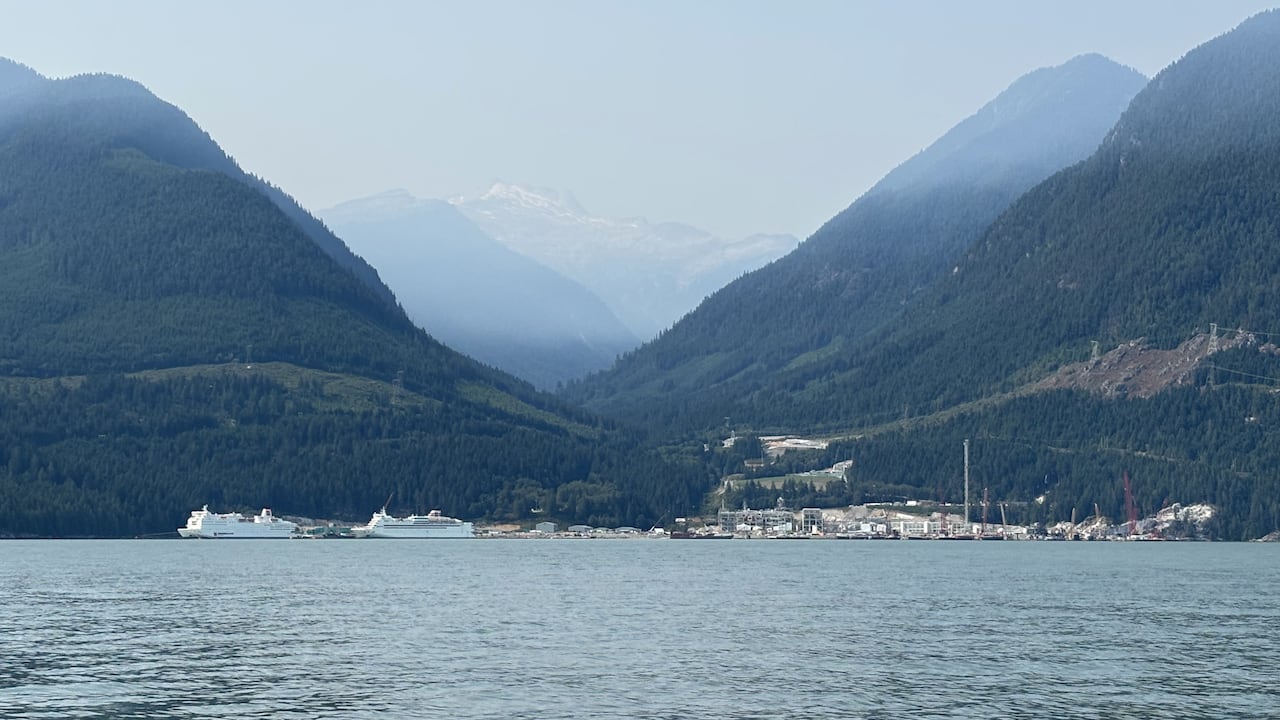
Woodfibre LNG is under construction at the site of the old pulp mill about seven kilometres southwest of Squamish. (Alanna Kelly/CBC)
Williams noted that while the industry offers economic opportunities, residents are contemplating leaving the area due to worries about the health of the air, land, and water.
She expressed, “I feel like we’re being exploited.”
-
Squamish homeowners say LNG power line will completely change their neighbourhood
-
‘Massive exaggeration’: B.C. economists raise concerns over Woodfibre LNG study
She conveyed that once Woodfibre LNG is operational, she will be apprehensive about walking her dog near the water, concerned for her wellbeing.
“I am so, so afraid of what is to come next.”
The B.C. Energy Regulator has refrained from commenting during the province’s ongoing post-election interregnum.
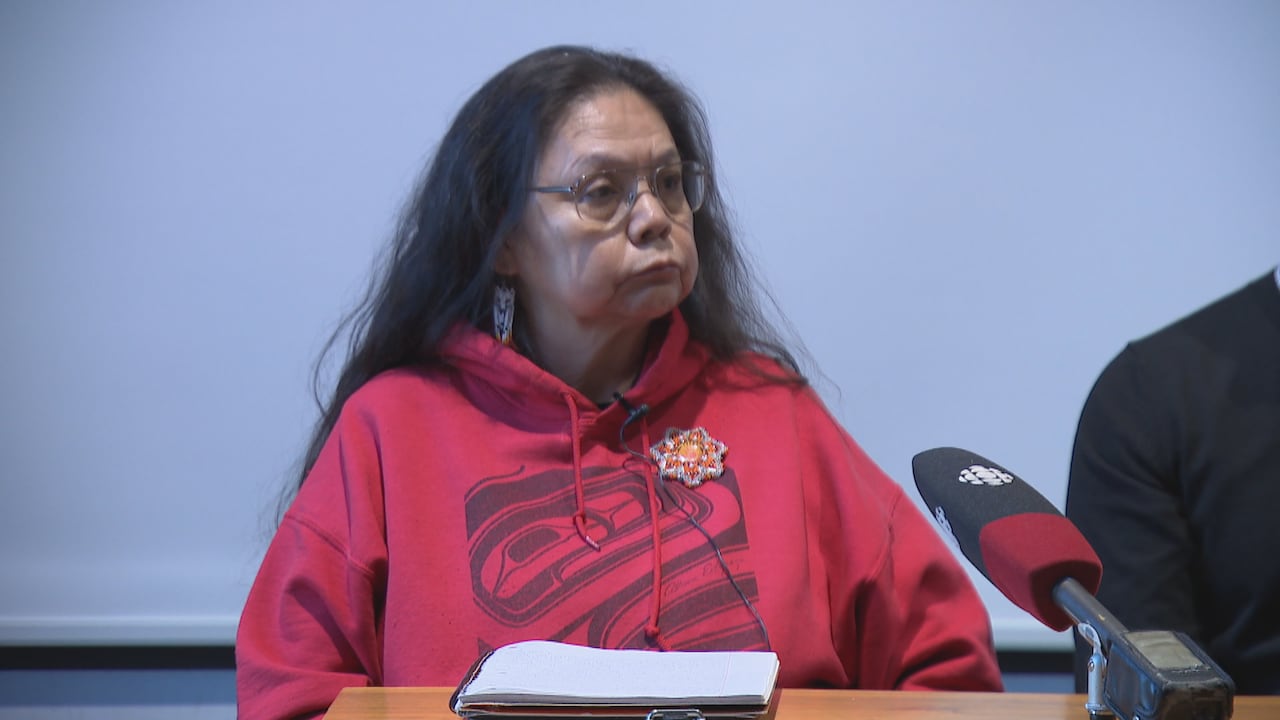
Roberta Williams from the Squamish First Nation is seen on Nov. 17, 2026. (CBC)