
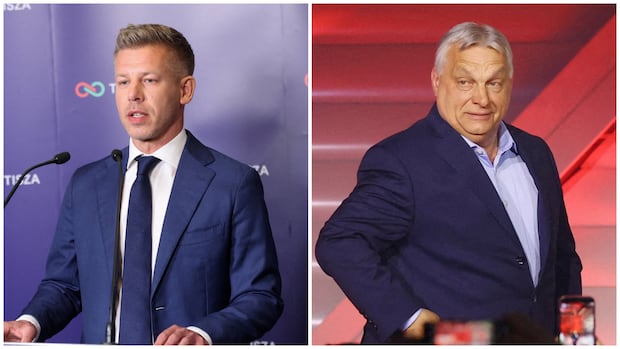
Hungarian citizens voted out long-standing Prime Minister Viktor Orbán after his 16-year rule, rejecting his authoritarian policies and far-right ideology in favor of a pro-European challenger. Páter Magyar, a former Orbán loyalist who ran on anti-corruption and everyday issues like healthcare and public transport, emerged victorious and promised to mend Hungary’s relationships with the European Union and NATO, which had deteriorated under Orbán’s leadership. While it remains uncertain if Magyar’s Tisza party will secure a parliamentary majority, initial results showed a significant lead over Orbán’s Fidesz party.
Orbán, a key ally of both U.S. President Donald Trump and Russian President Vladimir Putin, acknowledged defeat and pledged to serve Hungary from the opposition. Magyar celebrated his win along the Danube River in Budapest, declaring it a victory for truth over falsehood and emphasizing the unity and dedication of Hungarian citizens to their country.
The election outcome was a blow to Orbán, who transformed from a liberal anti-Soviet activist to a nationalist figure with strong ties to Russia and a contentious relationship with the EU. During his tenure, criticisms mounted over economic challenges, wealth accumulation by government-linked figures, and strained international relations, particularly with EU neighbors and the Kremlin.
The landslide victory for Magyar’s Tisza party signifies a potential shift in Hungary’s direction, with expectations of closer ties to EU allies and a departure from Orbán’s pro-Russian stance. Voter turnout reached record levels, reflecting the significance of the election for the nation’s future. Both parties raised concerns about electoral irregularities, hinting at possible disputes over results.
The EU is eager to see how Magyar addresses issues like Ukraine, given Orbán’s history of obstructing EU efforts in support of the country. Orbán’s alignment with far-right populist movements worldwide drew praise from some quarters but faced criticism for undermining democratic values and international cooperation.
Magyar’s victory is seen as a choice between different paths for Hungary, symbolizing a shift towards Western democratic values and away from the authoritarian tendencies of Orbán’s rule. The election marked a critical moment for Hungarians seeking unity and a break from divisive politics, with hopes of a more inclusive and transparent governance model in the future.