
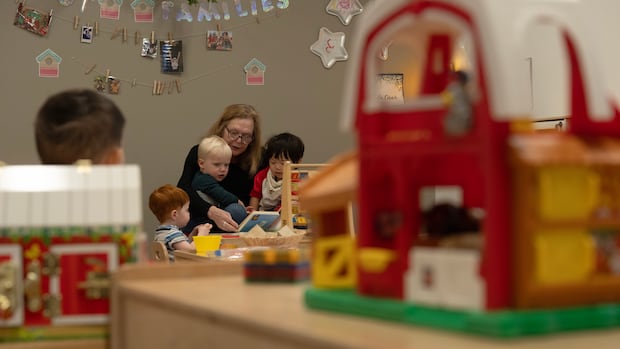
Child-care advocates are urging both federal and provincial governments to enhance the $10-per-day child-care system, as ministers responsible convened in Ottawa. While most provinces and territories have adopted the $10 daily fee, some have not, and targets for creating new spaces are falling short, resulting in growing waitlists. The federal government reported the creation of approximately 154,000 new spaces since 2021, below the target of 250,000 by March.
Advocates, including Child Care Now, emphasize the importance of not veering away from the goal of an affordable, accessible, and predominantly non-profit child-care system. They argue that amid global trade disruptions, investing in child care is crucial for bolstering the economy. Morna Ballantyne, Executive Director of Child Care Now, highlighted the economic benefits of Canada’s $10-a-day child-care program during a news conference in Ottawa, stressing the role of increased employment and tax contributions, particularly from mothers.
Jobs and Families Minister Patty Hajdu held discussions with provincial and territorial ministers of education and early learning to refine the national child-care program. The federal government aims to ensure the program’s effectiveness as a long-term investment that fosters economic growth, aids parents, and provides equitable opportunities for all children.
Notably, some provinces, such as Ontario, have requested additional federal funding to fully implement the $10-a-day program. Ontario specified the need for an extra $2 billion annually to reduce parent fees to $10 per day. Although the province secured an additional $695 million from the federal government, it remains insufficient to lower fees beyond the current average of $19 per day. Ontario also advocates for lifting the cap on the percentage of for-profit spaces to enhance the program’s expansion.
Child-care advocates are also advocating for improved wages for child-care workers to address recruitment challenges and staff retention issues, which hinder the creation and maintenance of child-care spaces. Parents, like Janet Amito, express concerns about lengthy waitlists and limited daycare availability, underscoring the importance of government funding to support educators and expand child-care services for all families in need.