
Canada faces challenges in transitioning away from fossil fuels towards renewable energy, but several countries worldwide serve as models for successful transitions and the benefits they bring. Uruguay, Kenya, and Pakistan have made significant strides in expanding their clean electricity capacity.
Although oil, coal, and gas continue to dominate the global energy supply, many nations are actively reducing their reliance on fossil fuels due to concerns about climate change and susceptibility to supply and price disruptions caused by global events like the Iran conflict.
According to Jessica Isaacs, the global impact director at the World Resources Institute’s Polsky Energy Center, countries worldwide are driven by the need for energy security to shift towards renewable energy sources. Unlike fossil fuels, renewable energy resources like solar, wind, geothermal, and hydropower can shield countries from supply shocks and price fluctuations.
While European countries like Denmark, the Netherlands, and Norway have made headlines for their renewable energy journeys, lesser-known success stories come from countries like Uruguay, Kenya, and Pakistan.
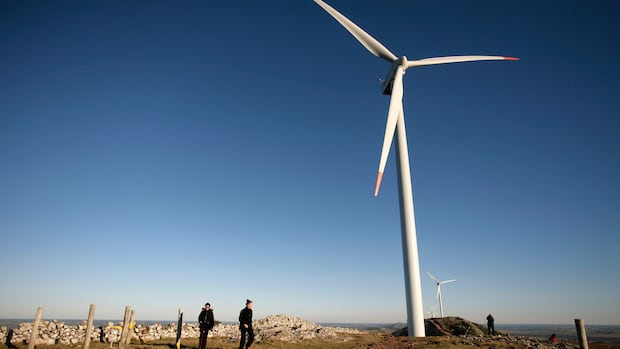
Uruguay, previously reliant on imported fossil fuels, transitioned its grid to renewables, with wind farms contributing nearly 40% of its electricity as of 2023. Similarly, Kenya has made significant progress in expanding access to electricity, aiming for 100% renewable power by 2030. By 2024, Kenya had achieved close to 90% renewable energy generation, mainly from geothermal, hydro, wind, and solar sources.
In Pakistan, a rapid shift to solar energy was triggered by rising natural gas and electricity prices, leading to a five-fold increase in solar-generated electricity between 2021 and 2025. The country is expected to derive 20% of its electricity from solar in the current year, predominantly from small rooftop installations.
Isaacs emphasizes that distributed solar energy has not only bolstered Pakistan’s power sector but also mitigated costs associated with oil and gas imports amid global disruptions. She believes that rooftop solar can also benefit countries like the U.S. and Canada by helping consumers manage electricity costs amidst increasing demands.
The success of these countries in transitioning to renewable energy lies in their ability to convey the benefits of clean energy for the environment, energy security, and the economy. Political will and public engagement have been crucial in driving these transitions towards a sustainable energy future.