
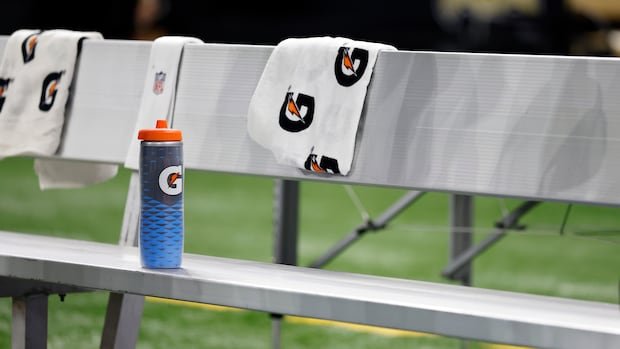
Six decades after pioneering sports beverages, Gatorade is shifting its focus away from solely catering to athletes. PepsiCo, the brand’s parent company, announced a strategic shift to target a wider audience, including non-athletes seeking hydration solutions for various occasions like travel, leisurely walks, or recovering from a hangover. The updated packaging now emphasizes the specific functionalities and scientific research supporting Gatorade’s range of drinks and powders.
This shift aligns with the growing trend among U.S. consumers towards beverages perceived to offer health benefits. Recent research by Mintel’s food and drink analyst, Jack Doggett, reveals that 60% of sports drink consumers are not athletes but seek the functional components these beverages provide, such as electrolytes for hydration and carbohydrates for energy. Doggett noted a shift towards using these drinks for wellness and daily upkeep across various age groups.
Sales of sports drink mixes, including powders from brands like Liquid I.V., Skratch Labs, and Gatorade, surged by nearly 20% in the year ending March 22, as reported by Circana. In contrast, bottled water sales remained stagnant during the same period.
Recognizing the growth potential, the sports and hydration market has seen an influx of new brands on store shelves. Mike Del Pozzo, President of U.S. beverages at PepsiCo, highlighted the entry of 150 new brands in recent years, posing both challenges and opportunities for established players like Gatorade. As part of its response, Gatorade plans to introduce clearly labeled products that outperform water in terms of hydration speed and efficiency. For instance, the upcoming Gatorade Longer Lasting drink, slated for release next year, combines glycerin and electrolytes to enhance sustained hydration benefits.
PepsiCo’s approach with Gatorade mirrors similar strategies adopted by its competitors. For example, Powerade, owned by Coca-Cola Co., revamped its packaging in 2023 to emphasize increased electrolytes. Last year, Powerade introduced Power Water, a zero-sugar, electrolyte-enriched beverage targeting non-athletes. Other brands like Liquid I.V. and LMNT have also adapted their offerings to cater to a broader consumer base beyond athletes.
Gatorade, originating in 1965 from the University of Florida, continues to serve the needs of athletes with its signature Gatorade Thirst Quencher. However, the brand is expanding its appeal by introducing lower-sugar options and removing artificial colors from its lineup, attracting a more diverse customer base. Del Pozzo emphasized the importance of educating consumers on the benefits of proper hydration, emphasizing that everyone requires hydration, not just athletes.
In conclusion, the evolving landscape of the sports and hydration industry underscores the need for brands like Gatorade to innovate and adapt to changing consumer preferences. By diversifying its product offerings and targeting a broader demographic, Gatorade aims to remain at the forefront of the beverage market while continuing to meet the evolving needs of its customers.