
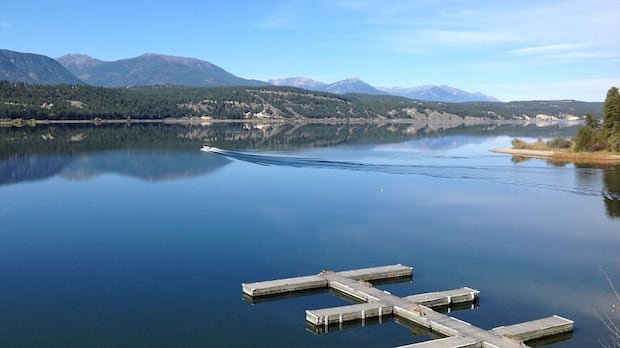
The ÊAkisqÌnuk First Nation is initiating a series of scientific and economic research projects on Lake Windermere and Columbia Lake as part of a comprehensive water conservation plan, triggering discussions about recreational boating in the region.
Chief (NasuÊkin) Donald Sam of ÊAkisqÌnuk emphasized the significance of stewardship to the Ktunaxa people, highlighting the necessity of credible data in decision-making processes.
Allocating $200,000 towards mapping the East Kootenay lakes, the First Nation will analyze shoreline conditions, sediment movement, and the economic impact of recreational activities in the area. Concerns have arisen among residents regarding potential restrictions that could impact the local economy.
Chief Sam reassured the public that the objective is not to hinder economic development but to identify sustainable recreational activities that align with the long-term health of the lakes.
The research comes at a time when wake-surfing boats are under scrutiny for their potential environmental impact on smaller lakes like Lake Windermere and Columbia Lake, known for their vulnerability to wake disturbance and shoreline erosion.
Mayor Al Miller of the District of Invermere expressed support for a science-based approach to addressing the issue, emphasizing the importance of balancing economic considerations with environmental preservation.
Chief Sam clarified that the stewardship planning process is in its early stages, with no immediate restrictions planned for this summer. The First Nation aims to develop a comprehensive lake stewardship strategy that harmonizes environmental conservation with economic prosperity through these studies.
The research is anticipated to pave the way for informed decision-making and the formulation of a sustainable lake stewardship plan for the future, striking a balance between economic interests and environmental protection.