
A recent study reveals that numerous species of freshwater fish are facing critical endangerment, with the dorado catfish being a prominent example. These massive Amazonian fish embark on an extensive migration from the Amazon estuary in northern Brazil to the Andes Mountains in Colombia, Ecuador, Peru, Bolivia, and Brazil, covering a distance of up to 11,000 kilometers.
Unfortunately, migratory freshwater fish like the dorado catfish are encountering escalating threats such as habitat destruction, overfishing, and obstructive dams, hindering their crucial journeys. Zeb Hogan, a biologist at the University of Nevada, emphasized the severe consequences of disrupting these migrations, warning that stocks could vanish, leading some species to extinction.
Hogan spearheaded a comprehensive global evaluation of migratory freshwater fish species, jointly conducted by the World Wildlife Fund, the Convention on the Conservation of Migratory Species of Wild Animals, and the University of Nevada, which highlighted the urgent need for coordinated efforts to safeguard the 325 species of migratory fish traversing international boundaries.
The challenges faced by migratory fish, including the dorado catfish, are diverse and substantial. Dams impede their upstream movement and hinder their return downstream after spawning. Furthermore, issues like habitat degradation, overfishing, and agricultural encroachment on floodplains exacerbate the threats faced by these vital species.
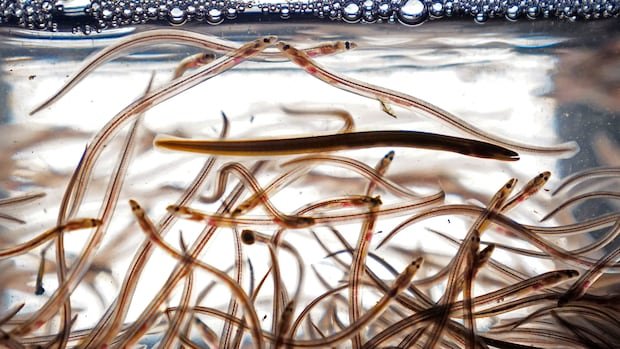
Apart from the dorado catfish, other species like the American eel are also under scrutiny due to concerning population trends. Although the federal government opted against listing the eel as a threatened species, experts like Canadian fisheries biologist Steven Cooke expressed apprehension about the species’ future due to various obstacles it encounters during its lifecycle.
Migratory fish play a pivotal role in ecosystems and human livelihoods, cycling nutrients, supporting forest growth, and enhancing food security in many regions. Their significance extends to Indigenous communities, where species like salmon and eels hold cultural and ecological importance, undertaking remarkable migrations that underscore the need for their protection.
To ensure the survival of these migratory fish, international cooperation is paramount. Providing unimpeded passage for these species demands collaborative efforts across nations along their migratory routes. While progress has been made in some regions, challenges persist due to varying levels of political will and financial constraints hindering conservation initiatives.
Raising awareness about the plight of migratory fish is crucial, as many of their struggles remain unseen beneath the water’s surface. Sharing their remarkable stories can inspire greater engagement and support for conservation efforts. Encouragingly, recent commitments made at a United Nations conference in Brazil signify a growing momentum toward protecting species like the dorado catfish, offering hope for a more promising future for these invaluable aquatic creatures.