
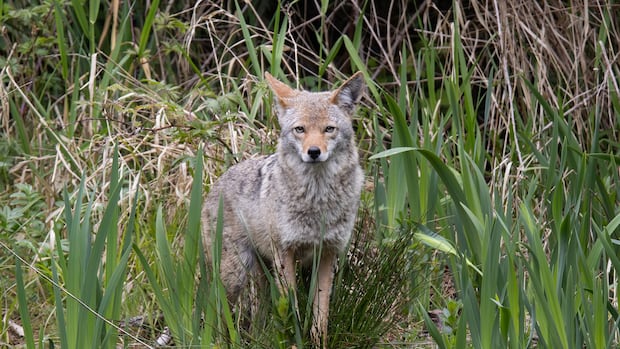
Residents near Vancouver’s largest urban park witnessed an unprecedented surge in coyote attacks from December 2020 to August 2021, with a total of 45 incidents prompting authorities to cull 11 animals. While such attacks are typically rare, a recent study by University of British Columbia researchers, led by zoology doctoral candidate Nathan Lewis, shed light on the unusual spike in aggression within Stanley Park during the COVID-19 pandemic.
The study, recently published in the scientific journal Animal Behaviour, attributed the heightened aggression of the coyotes to factors related to the pandemic lockdowns. As social events were restricted, more people frequented the park, inadvertently habituating the coyotes to human presence and food sources. Feeding wild animals, which was observed to have increased during the study period, was linked to the animals associating humans with food, potentially leading to aggressive behavior.
Following a two-week culling operation, two individuals were arrested for allegedly feeding coyotes in Stanley Park, a practice prohibited under a 2024 bylaw. Lesley Fox from wildlife conservation group The Fur-Bearers suggested making the park’s garbage cans wildlife-resistant to prevent such incidents. However, Vancouver Park Board’s Dana McDonald stated that regular garbage pickup and existing infrastructure were deemed effective in managing wildlife interactions.
The UBC study highlighted that coyotes were more likely to defend their pups aggressively when habituated, particularly near den sites, with solo runners at higher risk of attacks compared to groups or cyclists. Recommendations included avoiding known den sites to reduce the risk of defensive aggression and informing individuals of elevated risks during low human activity hours. Proper signage and enforcement of bylaws were emphasized to promote coexistence and prevent the need for future culls.
Fox emphasized the importance of education and enforcement in fostering wildlife coexistence, stressing the need for multilingual signage and improved enforcement measures to mitigate human-wildlife conflicts effectively.