
Australian researchers have developed a groundbreaking online tool known as the Carbon Impacts Tracer, which is the first of its kind globally. They are utilizing a Canadian offshore oil venture as a pilot study for this tool.
The Carbon Impacts Tracer is capable of assessing the potential effects of proposed fossil fuel projects on the climate, including their contributions to global warming, glacier melting, and human fatalities. By linking individual projects’ emissions to their impact on planetary warming, the tool can forecast specific consequences resulting from this warming.
This tool relies on carbon dioxide emission data provided by project developers to estimate the projects’ influence on global temperature changes. It then utilizes scientific research to determine the real-world implications of these temperature increases, such as coral reef degradation, reduced food production, and job losses.
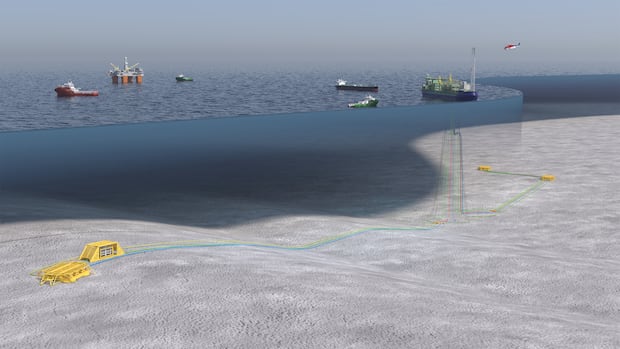
Recently launched, the Carbon Impacts Tracer website features case studies on various Australian projects, a UK project, and the proposed Bay du Nord offshore oil project in Canada. The Bay du Nord project, led by Equinor, is projected to tap into significant oil reserves, potentially emitting 188 megatonnes of CO2 over two decades, resulting in a minute temperature increase globally.
Additionally, the tool predicts that these emissions could expose over 111,000 individuals to extreme heat and lead to 25 heat-related deaths in Europe alone. It also forecasts glacier loss, job cuts due to pollution, and a rise in individuals pushed into extreme poverty as consequences of the Bay du Nord project.
Experts emphasize the importance of tools like the Carbon Impacts Tracer in providing a comprehensive understanding of the environmental impacts of fossil fuel projects. They believe that such tools can aid in holding governments and corporations accountable for their emissions and reinforce climate litigation efforts. Moreover, insurers and economists could utilize this tool to assess project risks and economic repercussions.
While the Carbon Impacts Tracer currently assesses proposed projects only, researchers aim to include more developments as data becomes accessible. This tool is expected to empower governments, regulators, and the public in evaluating the environmental implications of new projects and making more informed decisions regarding their approval.