
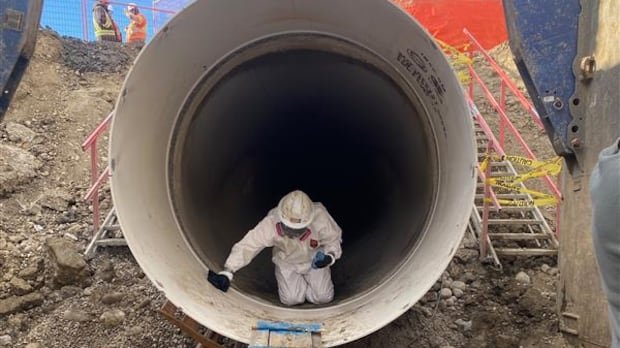
Calgary city council has given the green light to adopt recommendations outlined in a recent review by an independent panel regarding the failure of a crucial water feeder main in 2024. Mayor Jeromy Farkas emphasized the importance of implementing these changes without hesitation. The council deliberated extensively on Wednesday evening and unanimously agreed to proceed with the proposed measures.
The review report, made public on Wednesday, highlights the pressing need to address longstanding systemic challenges within Calgary’s water infrastructure. It reveals that concerns about the feeder main’s potential failure were initially raised in 2004 following a similar incident in northeast Calgary. However, the city deferred necessary inspections, monitoring, and risk mitigation for over twenty years, leading to the current situation.
Despite the Bearspaw feeder main being identified as a high-risk area, limited resources were allocated due to the perceived low probability of failure, as indicated in the report. The panel’s recommendations include expediting the twinning of the Bearspaw feeder main by early next year, ensuring the maintenance and repair of the existing pipe, and establishing a dedicated water utility department overseen by an independent board of experts.
Emphasizing the urgency of the situation, the report underscores the high vulnerability of the pipe to future catastrophic failures. Mayor Farkas stressed the need for thorough implementation of all recommendations without selective adoption, acknowledging the collective responsibility of past decisions that have culminated in the current water system challenges.
To address the ongoing issues effectively, Farkas stressed the necessity of not only replacing the line but also incorporating redundancy measures to fortify Calgary’s water system. He highlighted the potential long-term benefits of addressing leakages and making strategic investments in the city’s water infrastructure.
The report also points out persistent problems in governance and accountability across various city administrations and management teams. It underscores the need for a dedicated water utility department led by an accountable chief operating officer and supported by stable revenue sources to ensure infrastructure maintenance and system reliability.
In conclusion, the panel’s recommendations aim to rectify the systemic deficiencies that led to the water main failure, fostering a culture of accountability and proactive risk management. The proposed reforms are expected to be largely implemented within a year, with a complete transition to a city-owned water corporation envisioned over the next three years. City council engaged with the panel extensively to gain insights into the delays in water system improvements and seek guidance on executing the report’s recommendations promptly.