
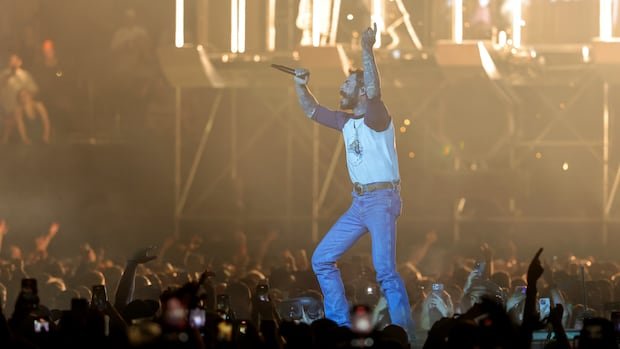
Fans have coined the term “blue dot fever” to describe a trend affecting major music acts, attributing it to steep ticket costs. This term stems from the blue dots visible on Ticketmaster’s event pages, indicating unsold seats. Observing numerous blue dots on upcoming concert seating maps, fans speculate that this phenomenon has prompted some artists to cancel shows or even entire tours under the pressure of dwindling ticket sales.
Notably, artists like Post Malone, Meghan Trainor, and the Pussycat Dolls have recently axed performances or tours, with explanations beyond ticket sales, although fans connect these actions to the overarching trend. Industry expert Eric Alper highlights the core issue as escalating ticket prices, which have surged by 37% for the top 100 global tours from 2019 to 2025, as per data from Pollstar.
Initially, fans overlooked high prices post-COVID-19, eager to attend live events. However, as living costs rise, they have become more selective in choosing which concerts to support financially. This shift is evident in fans like Veronica Avila, who now limits concert attendance due to expense constraints.
While demand for concert tickets remains robust, some fans wait until closer to events to purchase in hopes of price reductions, potentially leading to more unsold seats. Despite SeatGeek observing a rise in last-minute ticket orders, Ticketmaster refutes claims of declining concert sales, with a Live Nation spokesperson emphasizing that only a small fraction of shows have been canceled this year.
As ticket prices surge, fan expectations for elaborate productions grow, escalating touring costs. Tour manager Jen Ochej underscores the financial strain on mid-sized artists and the potential exclusivity of live music if prices continue to soar. Alper points out that touring is a crucial revenue source for many artists amid meager streaming payouts, suggesting diversification into other income streams if live shows become less profitable.