
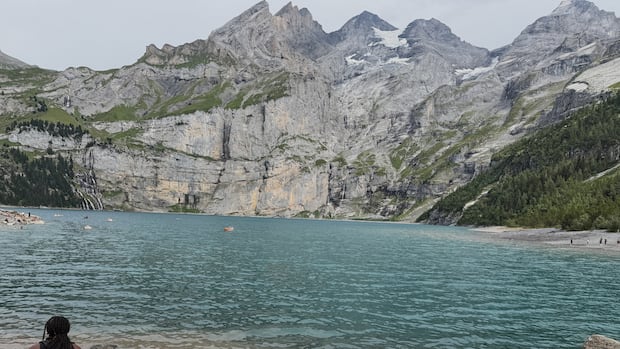
Glaciers in Switzerland, which are among the most prominent in the Alps, experienced a 5.5% reduction in ice volume this year, marking the second-largest decline on record. Experts attribute this significant loss to heat waves and low levels of winter snowfall. According to the GLAMOS Swiss glacier monitoring service and Swiss Academy of Sciences, the long-term survival of Alpine glaciers is highly improbable under such conditions.
The deterioration of glacier ice in Switzerland has accelerated in recent years. Over the past five years, the ice volume in the country has decreased by nearly 20%, highlighting the alarming trend. This report underscores the growing concerns about the detrimental effects of global warming on Europe, the continent experiencing the fastest rate of warming worldwide.
Matthias Huss, who leads GLAMOS, emphasized that the current warming trends are entirely attributable to human-induced climate change. He stated that without human activities such as fossil fuel emissions, the current warming would not be occurring.
The decline in glacier ice in Switzerland peaked in 2022, driven by a combination of factors including summer heat, reduced winter snow cover, and the deposition of reddish dust from the Sahara. Huss explained the importance of winter snow cover in protecting the ice from melting, as well as its role in generating new ice for glaciers.
The impact of accelerated glacier melting extends beyond Switzerland. The loss of 2.2 trillion liters of water from July to September this year is equivalent to four times the country’s annual water consumption. Furthermore, Switzerland’s glaciers supply water to vital European rivers like the Danube, Po, Rhine, and Rhone.
Notable glaciers in Switzerland, including Allalin, Clarident, Rhone, and Aletsch – the largest in the Alps – experienced unprecedented melting this year. There are concerns that it may be too late to save the glaciers in the Swiss Alps, emphasizing the urgent need to stabilize the climate by reducing CO2 emissions. Huss highlighted the importance of taking action to protect polar ice sheets to mitigate the threat of rising sea levels for coastal populations worldwide.