
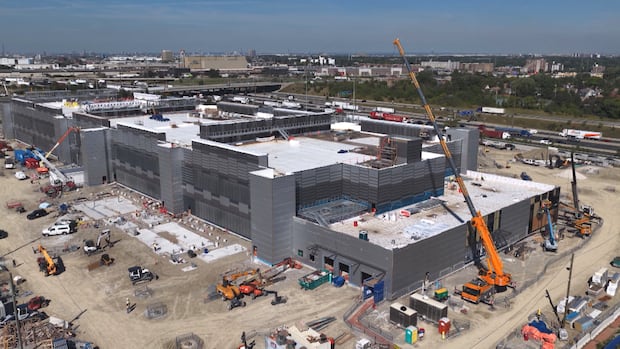
Calgary’s city council is advocating for the authority to pause the development of hyperscale data centres until it can gain a clearer understanding of this rapidly changing industry.
The council has instructed city officials to prepare amendments to existing bylaws that would empower them to impose moratoriums on applications for new and emerging sectors, such as large-scale data centres.
In a decision that saw a vote of 13-2, councillors requested that staff present the proposed amendments by March.
Ward 2 Councillor Jennifer Wyness, who introduced the motion, expressed her desire for the council to be equipped to make more informed decisions regarding data centres.
She emphasized the need for council members to understand the potential impacts of this infrastructure on the region’s water supply and electrical grid, as well as the number of jobs these centres could create.
Wyness argued that the implementation of a new policy would also ensure equitable conditions for future project applications.
“You are allowing political influences to guide decisions when there are no clear rules for applicants to rely upon,” stated Wyness.
“Without a consistent policy framework, how can decisions be made? One feels favorable today while another seems unfavorable tomorrow. We require stable regulations.”
-
Canada is welcoming large data centres, with one province leading the way
-
U.S. data centres emit more carbon in a year than Denmark, according to Harvard research
The city will need to conduct a public hearing regarding any changes to the bylaws before they can be finalized.
Wyness referred to a rejected project in Olds involving a campus of ten data centre buildings as a case in point highlighting the need for municipal councils to have clearer guidelines on such projects. The Alberta Utilities Commission rejected the proposal due to its proximity to the local community.
Similar suspensions on data centre developments have been enacted by councils in Rocky View County, Saskatoon, Mississauga, and Oakville.
Council seeks regulations for data centres
Mayor Jeromy Farkas expressed his intention to regulate large-scale data centres, highlighting a significant gap in the city’s existing regulations for this sector. He aims to assure residents that the council is addressing issues related to noise, water consumption, and electricity.
“Currently, we find ourselves in a Wild West scenario due to the absence of regulations,” commented Farkas.
“Let’s determine how we can respond to the concerns of local residents. Until we establish a fair regulatory framework, implementing a moratorium seems sensible.”
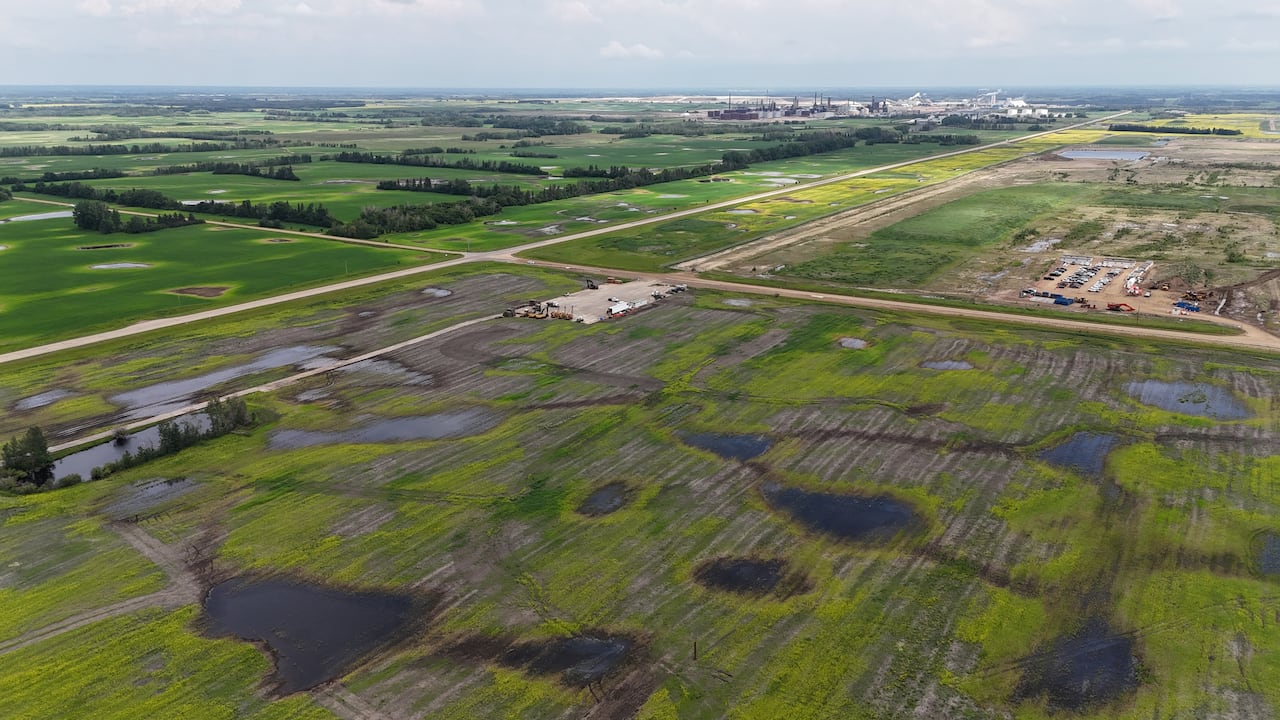
Sturgeon County, Alberta, is set to host a future Meta AI data centre, as the province emerges as a focal point for the development of infrastructure in Canada. (Nathan Gross/CBC)
Calgary is already home to several smaller data centres; however, the council seeks guidance on how to effectively regulate larger projects, especially as Alberta has experienced an uptick in proposals this year.
Councillors Landon Johnston and Myke Atkinson were the only dissenting votes on Tuesday. Johnston expressed concerns not necessarily against large data centres but about the potential impact of a moratorium on Calgary’s economic growth.
“I’m simply concerned about the message this sends to potential industries considering relocation here, and whether this will lead to saying, ‘No, all regulations are already established,'” Johnston remarked.
“Ultimately, we might end up turning away significant business opportunities.”
An application for a proposed data centre is currently under review in northeast Calgary, near the Redstone area. The application from Stantec Consulting will continue to be processed while the council deliberates on potentially pausing future developments.
Ward 5 Councillor Raj Dhaliwal, who represents the Redstone area, stated he has heard from constituents who are eager to ensure that council thoroughly evaluates new data centres before permitting more to be established.
He noted that the council’s decision is not necessarily a hindrance to future development but could, in fact, facilitate the industry’s growth.
“This process will actually create the conditions for data centres or businesses to thrive here if we implement appropriate regulations,” Dhaliwal stated.
The council also unanimously voted on Tuesday for city officials to report back next year with additional information regarding the impacts and risks associated with large-scale data centres, particularly concerning water security.
Provincial legislation on data centres is forthcoming
The Alberta government intends to introduce legislation this fall to establish province-wide standards that address water usage and environmental oversight, ensuring that data centres are constructed away from residential areas. However, the specifics of the legislation remain unclear.
Nate Glubish, Alberta’s technology and innovation minister, mentioned on Tuesday that he would not be surprised if some data centre project proponents from the U.S. seek to bring their proposals to Alberta after encountering moratoriums in their home country.
He stated that Alberta aims to adopt a more considerate approach to responsible development, insisting that proponents must meet stringent standards to operate in the province.
“There are numerous examples from down south where projects were not aligned with public interest, causing grid issues and irresponsible water use, which understandably upset citizens,” Glubish remarked.