
The G7 nations have announced plans to release 100 million barrels of oil, primarily focusing on diesel, in response to the recent surge in fuel prices in the United States.
President Donald Trump, via social media, confirmed an immediate release of diesel, in line with the G7’s commitment to a frontloaded substantial release within the next 20 days and the remainder over a four-month period.
With the upcoming Nov. 3 midterm elections, Trump and the Republican Party are under pressure to tackle the escalating prices, exacerbated by the Iran conflict and trade disputes, driving up oil and commodity costs in the U.S.
Despite the continuous rise in gas and diesel prices during the prolonged war, Trump remains resolute that the effort is essential to prevent Iran from acquiring nuclear weapons. He anticipates a decline in prices post-war, although the end seems uncertain.
In Canada, the average diesel price stood at $2.63 per liter, with some cities like Vancouver experiencing even higher rates at around $2.71 per liter. The heightened prices are straining transport truck drivers and farmers reliant on diesel for their vehicles and machinery.
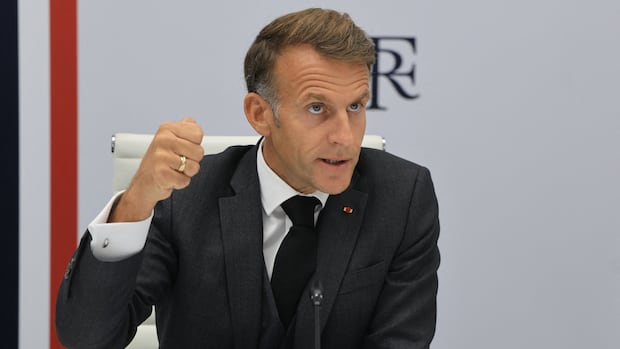
The rotating G7 presidency, currently held by France, revealed the decision after a virtual meeting led by French President Emmanuel Macron. The G7 countries, along with EU representation, will coordinate with the International Energy Agency to implement the release of 100 million barrels over four months.
The move follows a previous announcement in March by the International Energy Agency member countries to release 426 million barrels of oil and products aimed at stabilizing the oil market.
In a related development, Trump recently considered banning diesel exports to alleviate gas prices domestically, a move cautioned by experts due to potential adverse effects on the global fuel market and further price hikes worldwide.
Despite the release, the G7 reiterated their commitment not to impose energy export restrictions within the group, urging all producers to refrain from actions that could worsen market tensions.
Trump’s discussion with Macron highlighted the urgency to address rising fuel costs and petroleum product availability, as per the French Embassy in the U.S., before chairing the videoconference.
A recent AP-NORC poll indicated that a majority of U.S. adults attribute the escalating prices to Trump, leading to a decline in approval ratings for his economic management.