
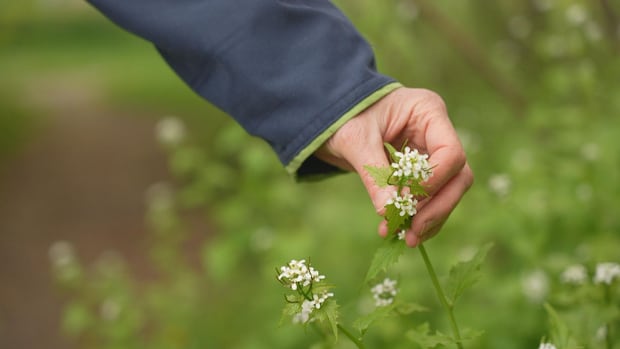
The City of Ottawa has streamlined the process for volunteers to obtain insurance for removing invasive plant species from the city’s green spaces. Invasive species, such as buckthorn, dog-strangling vine, and garlic mustard, pose a threat to the local ecosystem. Volunteers involved in eradicating these plants can now enter into stewardship agreements with the city’s forestry department, requiring them to have liability insurance.
Responding to concerns raised by Alta Vista Coun. Marty Carr, the city staff have expanded access to the Community Partnership Insurance Program (CPIP) for groups with stewardship agreements. This change allows volunteers to utilize the CPIP directly without needing to be part of a community association, addressing bureaucratic barriers faced by many groups.
Michelle St-Germain, chair of the land restoration committee at the Alta Vista Community Association, highlighted the challenges of securing insurance through community associations, emphasizing the time and effort required. The new rules enable groups to apply for insurance directly through the city, simplifying the process and reducing administrative burdens.
Lynne Patenaude, a volunteer with the Ottawa South Eco Action Network (OSEAN), welcomed the shift towards working directly with the city, stating that it eliminates unnecessary bureaucracy and allows volunteers to focus on their conservation efforts. This change is seen as a positive step forward by St-Germain and others, encouraging more individuals to engage in environmental initiatives.
Looking ahead, Coun. Marty Carr mentioned plans to further enhance community involvement by empowering groups with more stewardship responsibilities over green spaces. The ongoing efforts aim to streamline processes and make it easier for volunteers to participate in conservation activities. An update on these developments is expected in the coming year.