
Last week, there was concern in Canada over communications between the Trump administration and Alberta’s separatist movement, sparking questions about potential U.S. intentions. Some have drawn worrisome parallels between American actions supporting Alberta separatism and Russia’s past efforts to incite separatism in eastern Ukraine.
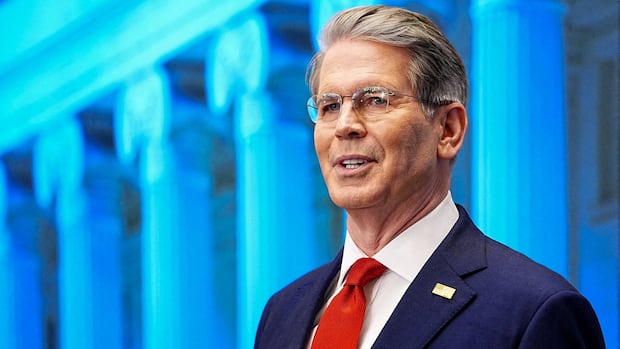
Reports emerged of an Alberta separatist group engaging in discussions with the U.S. State Department, hinting at a potential referendum on Alberta’s future within Canada. U.S. Treasury Secretary Scott Bessent commented on the desire for sovereignty among Albertans, drawing comparisons to American ideals.
While the U.S. State Department acknowledged routine meetings with civil society representatives, they clarified that no commitments were made during these discussions. Alberta separatist Jeffrey Rath claimed that at least one meeting took place in a secure facility to prevent foreign intelligence interception.
Experts like Maria Popova and Patrick Lennox view these interactions as part of a broader strategy to destabilize Canada. They suggest that the U.S. may employ various tactics, including information warfare, to disrupt the country’s unity and further its national security objectives.
Additionally, there are concerns about the influence of the Make America Great Again (MAGA) movement, with figures like Matt Wallace showing support for Alberta separatists online. This alignment with separatist sentiments in Alberta could be a strategic move to exploit perceived grievances and sow discord within Canada.
The article also highlights the similarities between the Donbas region in Ukraine and Alberta’s separatist movement, emphasizing the potential risks of allowing external interference to manipulate internal divisions. The narrative of Alberta’s oppression and desire for independence is being amplified through social media, potentially shaping outside perceptions of the situation.
As discussions around Alberta separatism intensify, the article raises caution about the potential consequences of escalating tensions and the need for vigilance against external influences seeking to exploit existing divisions for their own agendas.