
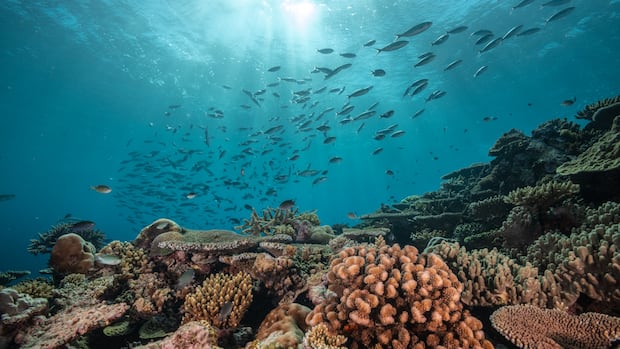
Good news is rare for coral reefs, especially after enduring a prolonged mass bleaching event that recently ended, only to face the looming threat of a strong El Niño event. However, a new study presented at the Our Ocean Conference in Mombasa, Kenya, reveals surprising resilience in coral reefs despite escalating ocean temperatures due to climate change.
The research, currently undergoing peer review, identified approximately 166,000 square kilometers of potentially climate-resilient reefs worldwide that could withstand high temperatures for various reasons. These resilient reefs, mapped in collaboration with the tech non-profit SkyTruth, predominantly exist in the coastal waters of five countries: the Bahamas, Cuba, Australia, Indonesia, and the Philippines. Building on previous research from 2018 that focused on 50 resilient reefs, this analysis highlights specific areas for conservation efforts to support communities reliant on reefs for sustenance and economic stability.
The study emphasizes the importance of identifying resilient reefs to strategically allocate conservation resources, particularly in regions lacking the financial means to protect vast reef ecosystems from climate change and overfishing. By understanding the uneven distribution of climate-resilient reefs, countries can better plan and prioritize conservation investments to safeguard these vital marine ecosystems.
Despite the potential for resilience, coral reefs face multiple threats, including coral diseases and the increasing frequency of bleaching events exacerbated by climate change. The study underscores the need for proactive conservation measures, such as establishing marine protected areas and promoting coral restoration, to ensure the long-term survival of coral reefs amidst escalating environmental challenges.