
Israeli Prime Minister Benjamin Netanyahu has downplayed the significance of the U.S. announcement regarding the advancement of the Gaza ceasefire to its second phase, questioning the implementation of its more challenging aspects. In a separate development, two Israeli airstrikes in Deir al-Balah, Gaza Strip, resulted in the deaths of seven individuals, including a senior Hamas military figure. Hamas condemned the strikes, accusing Israel of violating the existing ceasefire and trying to reignite conflict.
Netanyahu expressed skepticism about the progress described by U.S. envoy Steve Witkoff, describing the Palestinian governing committee introduced in the second phase as a symbolic gesture. The parents of Israeli officer Ran Gvili, still held in Gaza, urged Netanyahu not to proceed with the ceasefire until their son’s remains are returned.
The second phase of the ceasefire deal signals a significant advancement but raises uncertainties about the proposed Palestinian governing committee and international “Board of Peace.” The committee’s composition was reportedly coordinated with Israel, according to an anonymous Israeli official.
Challenges ahead include disarming Hamas, transitioning to a new governance structure, and addressing the fate of Hamas’ military arm and affiliated personnel. Hamas has indicated willingness to dissolve its existing government to accommodate the new committee but has not clarified the future of its military wing.
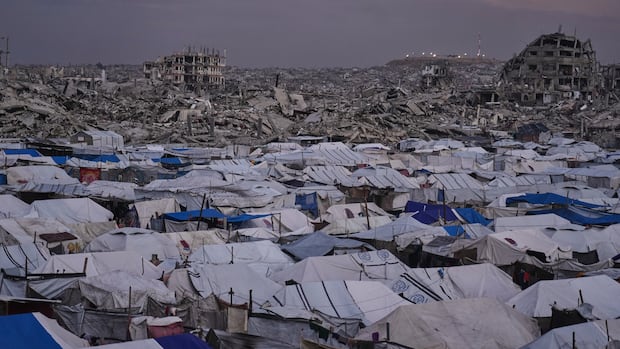
Despite progress announced, violence continues in Gaza, with over 450 casualties since the ceasefire in October, including more than 100 children. Palestinians in Gaza express doubts about tangible changes on the ground, emphasizing the ongoing struggle for basic necessities like food, fuel, and medical care. Gaza’s population of approximately two million faces challenges amid cold weather and stormy conditions, exacerbated by shortages of humanitarian aid and temporary housing.