
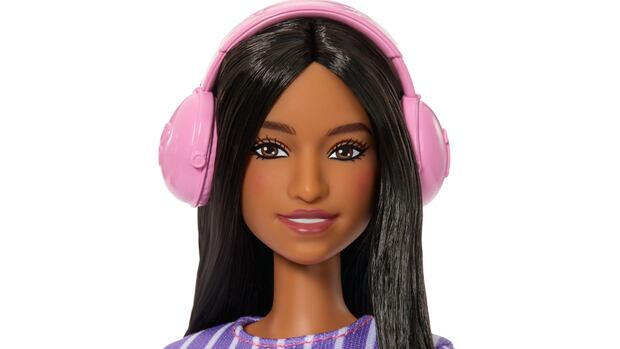
Mattel’s latest Barbie doll release, an autistic version, has sparked significant conversations about representation in the toy industry. This new doll aims to depict visual traits and accessories associated with individuals on the autism spectrum. With input from the Autism Self Advocacy Network, the toymaker carefully crafted this doll to reflect the diverse experiences within the autism community.
The unveiling of the autistic Barbie has been met with mixed reactions. While some, like social media influencer Katherine L’Etang, view it as a positive step towards inclusivity, others express concerns about potential reinforcement of stereotypes. L’Etang, a mother of two autistic children, emphasized the importance of seeing oneself reflected in toys and media.
Critics argue that the doll’s features may not accurately represent the spectrum of autistic experiences. For instance, some feel that focusing on outward appearances may oversimplify the complexity of autism. Suggestions have been made for a more customizable approach, allowing children to represent themselves through a broader range of accessories.
Despite the differing opinions, the online discourse surrounding the autistic Barbie has been deemed valuable by developmental science researcher Kristyn Sommer. She highlights the importance of ongoing conversations about autism representation, urging companies to prioritize inclusivity in their product offerings. The release of this doll signals a step towards greater diversity in the toy industry, prompting discussions on how best to represent individuals with autism.