
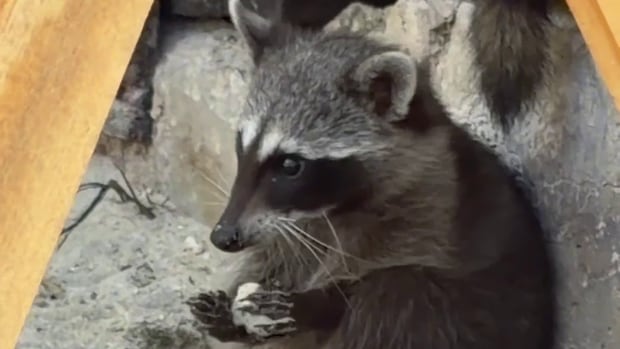
In an exclusive interview with biologist Nessie O’Neil, she shared a remarkable discovery involving endangered Mexican pygmy raccoons. While observing these critters on Cozumel Island, O’Neil witnessed them creating toy balls out of trash materials, a behavior previously undocumented in the raccoon family. The research, now published in the journal Wild, highlights the raccoons’ innovative use of paper scraps to craft toys and teach their family members the same technique.
Pygmy raccoons, weighing around three to four kilograms, rely on tourist scraps and garbage as their natural habitat diminishes due to development. O’Neil’s observations revealed juvenile raccoons engaging in playful behavior by shaping paper into balls for amusement. This unique behavior, captured in footage, showcases the raccoons’ adaptability in utilizing available resources for entertainment.
The study also noted instances of social play among the raccoons, with family members batting the handmade balls back and forth. Benjamin Beck, a scientist specializing in animal behavior, expressed astonishment at the raccoons’ creativity in making their own toys, a behavior rarely seen in the animal kingdom.
Despite the fascinating discovery, the pygmy raccoon population faces dire circumstances, with only 200 individuals remaining on Cozumel Island. Habitat destruction and reliance on human food sources, such as tortilla chips, threaten their survival. O’Neil emphasized the need for conservation efforts and responsible tourism practices to safeguard these unique creatures’ future.
The research aims to raise awareness of the challenges facing pygmy raccoons and encourages a shift in human behavior to protect their habitat and well-being. By understanding and appreciating the value of these animals in their natural environment, O’Neil hopes to inspire conservation actions that will ensure the continued existence of the pygmy raccoon population.