
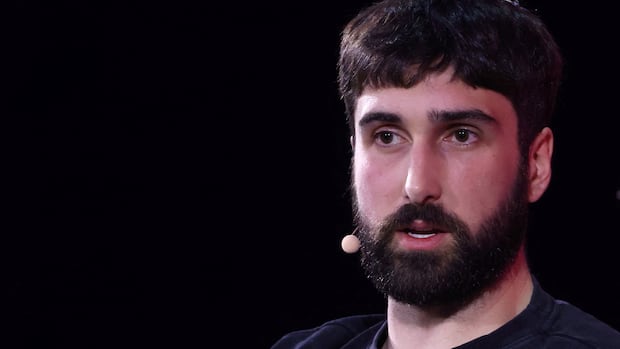
The CEO of a prominent artificial intelligence company in Canada is cautioning against alarmism regarding the potential risks of AI technology, following recent concerns raised by an Anthropic researcher suggesting a significant chance of AI causing harm to humanity in the near future. Aidan Gomez, from Cohere in Toronto, emphasizes the need to strike a balance between developing safeguards for AI while also harnessing its benefits in areas such as cost reduction and medical advancements.
Gomez dismisses the notion of AI posing an existential threat as fear-mongering, attributing it to fictional narratives like those seen in movies such as “Terminator,” rather than grounded in factual data. He also supports the idea put forth by Prime Minister Mark Carney for a global oversight body to manage and mitigate potential risks associated with AI development.
Speaking at Carney’s investment summit in Toronto, Gomez highlights Canada’s strong position in the global AI landscape, attributing it to the country’s early investments and research contributions in the field. He emphasizes the importance of responsible deployment of AI technologies globally, underscoring Cohere’s commitment to contributing to this endeavor.
The summit, aimed at attracting substantial investments to Canada, witnessed announcements of major projects, including the expansion of AI data centers by Bell Canada and significant financing commitments from TD Bank and Scotiabank. Carney stresses the importance of speed and predictability in advancing Canada’s investment agenda, emphasizing the competitive advantages they offer.
In a contrasting view, some leaders in the AI industry advocate for a cautious approach towards the development of advanced AI models, citing concerns about the potential risks of uncontrolled AI systems. While figures like Dario Amodei and Sam Altman call for safety precautions, Gomez opposes industry-led regulation, arguing against proposed changes to antitrust rules that would allow collaboration among tech companies to influence regulatory frameworks.
Gomez favors Carney’s proposal for a global technology stability body to oversee AI development and ensure safety standards internationally. He believes in the potential benefits of AI technology, such as enhancing efficiency and driving innovation in various sectors, including healthcare.
Looking ahead, Evan Solomon, the federal minister for AI and digital innovation, emphasizes the government’s commitment to prioritizing AI safety through forthcoming announcements and collaborations with industry pioneers like Yoshua Bengio. Solomon stresses the need for regulatory frameworks to safeguard citizens while capitalizing on the opportunities presented by new technologies.
Jas Jaaj, a leader at Deloitte Canada, acknowledges the challenges of establishing international safeguards for AI but remains optimistic about the potential for global cooperation akin to past achievements in scientific and technological advancements. The competitive landscape between the U.S. and China in AI development is likened to past geopolitical rivalries, underscoring the need for strategic oversight and collaboration in the AI domain.