
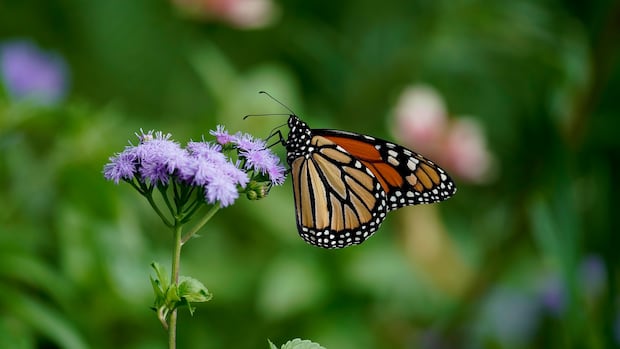
MaryAnn Lepp is thrilled by the abundance of monarch butterflies undergoing their remarkable transformation in her garden. She observed 20 caterpillars feasting on her swamp milkweed in just one day this week. This surge in butterfly activity is being witnessed by numerous Canadian monarch enthusiasts, with backyard milkweed patches flourishing due to the wet and hot conditions in certain Prairie regions this summer.
Lepp, located about 60 kilometers southeast of Winnipeg in La Broquerie, expressed her excitement at discovering the second chrysalis in her garden. She noted an increase in butterfly sightings compared to previous years.
While it remains uncertain whether the surge is solely due to favorable weather conditions, conservation experts are encouraged by the surge in reports of caterpillars, chrysalises, and monarch butterflies. This is particularly promising for the federally endangered species known for their remarkable annual migration between Canada and Mexico.
Marika Olynyk, curator of the Living Prairie Museum in Winnipeg, highlighted the abundance of monarch butterflies in the area this year, emphasizing a consistent presence of caterpillars, chrysalises, and butterflies throughout the summer.
Monarch butterflies feed on nectar from milkweed flowers, but they are selective eaters during the caterpillar stage, consuming only milkweed leaves. Despite efforts by individuals like Lepp to plant milkweed and native wildflowers, their populations remain diminished due to habitat loss resulting from the conversion of native grasslands into farmland.
The Committee on the Status of Endangered Wildlife in Canada officially listed the monarch as endangered in 2016, following calls to elevate its protection status. Ottawa took action in December 2023, making it illegal to harm or capture monarchs at any developmental stage on federal lands.
Although there is increased awareness and conservation efforts, the monarch population remains at only 50% of its sustainable level. Olynyk emphasized the ongoing need for conservation actions to safeguard these iconic butterflies.
In addition to monarchs, the Assiniboine Park Zoo’s native prairie garden has seen a rise in numbers of the critically endangered Poweshiek skipperling butterfly. Efforts are underway to breed and release these butterflies to bolster their population and prevent extinction.
As conservation efforts continue, the zoo will be using radio transmitters on monarch butterflies this fall to track their migration south to Mexico. Enthusiasts like Lepp remain dedicated to supporting the growth and survival of caterpillars and chrysalises, recognizing the importance of preserving nature and fostering a harmonious relationship with the environment.