
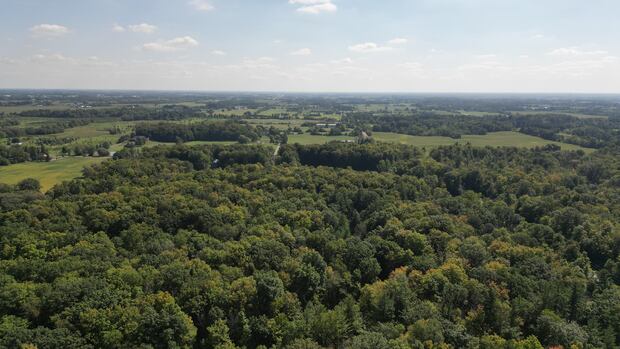
A recent report reveals a significant increase in the number of vulnerable species seeking refuge in the Greenbelt, with a surge of almost 70 percent observed over the last twenty years. Ontario Nature’s latest study utilizes government data from 2004, a year before the Greenbelt’s establishment, to track the evolution of at-risk birds, reptiles, amphibians, mammals, and plants in the area. The study highlights a rise from 72 to 121 species currently facing risks within the Greenbelt.
According to Tony Morris, the conservation policy and campaigns director at Ontario Nature, this surge underscores the escalating significance of the Greenbelt in providing crucial habitats, particularly in southern Ontario. The Greenbelt, spanning over 800,000 hectares around the Greater Golden Horseshoe, was delineated in 2005 to safeguard the environment and designate areas unsuitable for development.
The report underscores that the 121 at-risk species in the Greenbelt represent 42 percent of the province’s total endangered species. Among these species are the redside dace fish and the Jefferson salamander, both grappling with habitat loss and pollution-related challenges. Fragmentation from infrastructure like roads and cities poses a threat to these species as it hinders their movement between habitats.
The report includes eight recommendations aimed at fortifying the protected zone, such as expanding Greenbelt boundaries, enhancing protections for at-risk species, and developing strategies to restore degraded habitats. Ontario Nature advocates for these recommendations to be integrated into the overdue government review of Greenbelt legislation, which is more than 18 months behind schedule.
The mandatory review, mandated by law every decade, was delayed due to a snap election called by Premier Doug Ford in January 2025. The government is required to consult its Greenbelt council, a group of ten appointees tasked with advising the minister on land use planning related to the zone. However, with the council’s term expired and no new members appointed for the review, progress has stalled on this front.
Despite assurances from Municipal Affairs Minister Rob Flack in December regarding the forthcoming Greenbelt review, no concrete details have been provided since then. The Greenbelt has been embroiled in controversy since 2022 when the Ford government announced plans to remove 15 parcels of land from the protected area for development. After public outcry, Ford reversed the decision, and investigations by the auditor general revealed irregularities in the process favoring specific developers.
As environmentalists and opposition critics urge the government to proceed with the review and commit to preserving all lands within the Greenbelt, the delay persists. Green Party Leader Mike Schreiner attributes the government’s inaction to embarrassment over the earlier scandal. NDP environment critic Peter Tabuns criticizes the Progressive Conservatives for neglecting their responsibility to protect the environment, emphasizing the importance of advocates like Ontario Nature in highlighting necessary actions for conservation.