
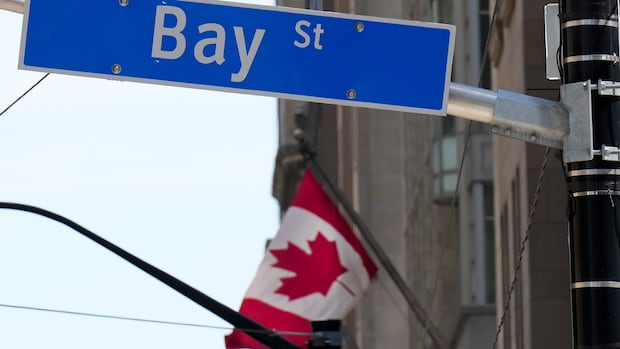
Three major Canadian banks presented cautiously optimistic views on the economy, in contrast to the anxiety and frustration felt by many small businesses due to the ongoing trade war with the United States. Royal Bank of Canada, Toronto-Dominion Bank, and CIBC unveiled their financial results before the opening of the Toronto Stock Exchange on Thursday. Collectively, these banking giants hold assets totaling up to $6 trillion, with extensive portfolios of various loans and a broad client base across Canada and the U.S. This positions them uniquely to observe the effects of tariffs.
RBC’s CEO, Dave McKay, highlighted the resilience of the Canadian economy, noting positive trends in employment and GDP in Q2, maintaining a cautiously optimistic outlook on future expansion. TD Bank’s CEO, Raymond Chun, referred to a burgeoning “super cycle” of investment in Canada, driven by government spending on infrastructure and national defense projects. CIBC’s CEO, Harry Culham, expressed measured confidence in the latter half of 2026, emphasizing the ongoing evolution of the trade environment.
A recent study by Oxford Economics for the Canadian American Business Council warned that over 100,000 Canadian jobs could be at risk if the Canada-U.S.-Mexico Agreement (CUSMA) were to be eliminated. BMO Capital Markets predicted that the latest round of U.S. tariffs could reduce Canadian growth by around half a percentage point, mainly due to weakened business confidence and investment.
Despite the trade challenges, Canada’s big banks remain optimistic, with shares trading near all-time highs on the Toronto Stock Exchange. The BMO Equal Weight Banks Index ETF, comprising Canadian bank stocks, has surged by almost 50% over the past year. The CEOs of Bank of Montreal and Scotiabank also stated that they believe the Canada-U.S. trade war is manageable.