
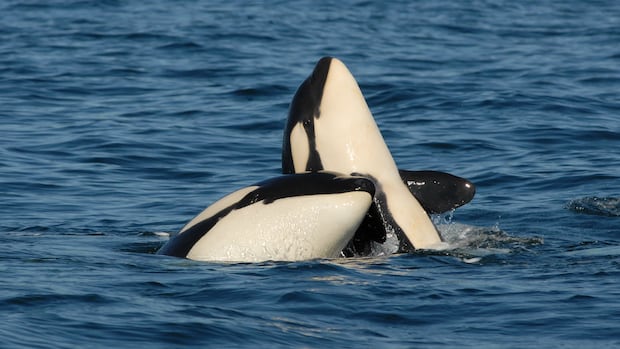
Concerns have been raised by environmental organizations regarding the potential impact of Alberta government’s proposed pathway for a new oil pipeline on an already endangered species of whale. According to the Center for Whale Research, as of July 2025, the global population of southern resident killer whales stood at 74 individuals.
Anna Barford from Stand.earth, an international environmental non-profit, expressed that the suggested pipeline could be “devastating” for the whale species, emphasizing that even a single spill could have long-lasting effects on the marine ecosystem.
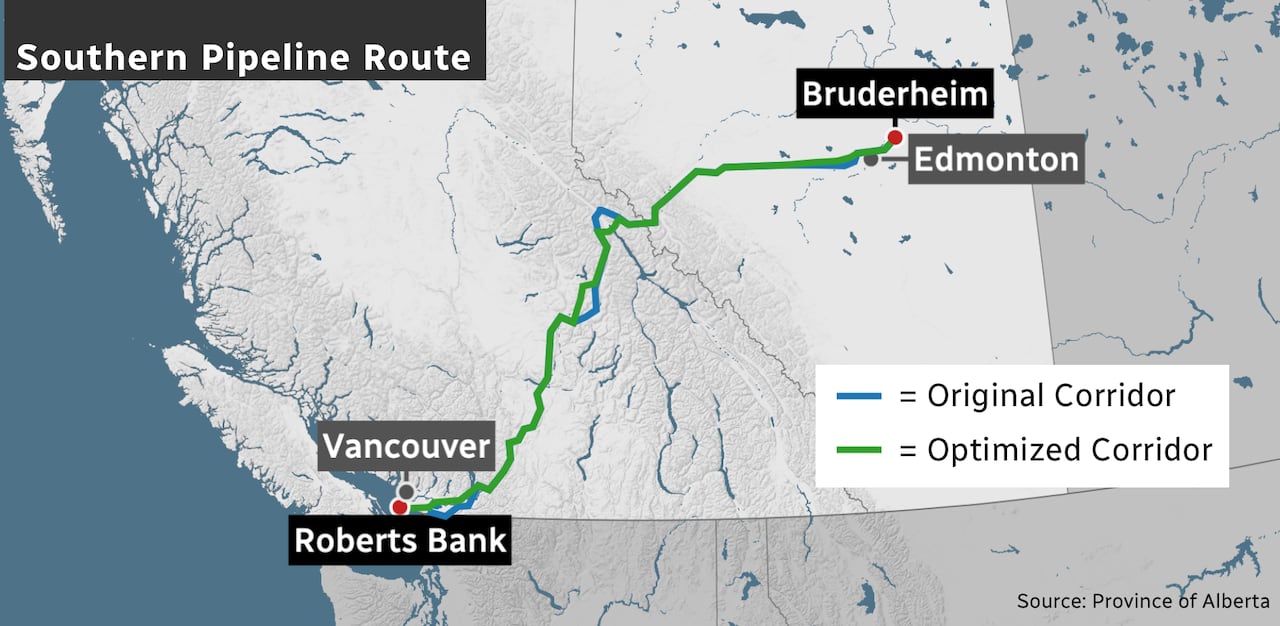
Barford highlighted that the risks associated with the project extend beyond potential spills. The proposed pipeline, currently under review by the federal Major Projects Office, aims to transport about one million barrels of crude oil daily over approximately 1,250 kilometers along a corridor resembling that of the existing Trans Mountain pipeline, as outlined by the Alberta government.
This substantial volume of oil would result in increased tanker traffic in an already congested maritime route.
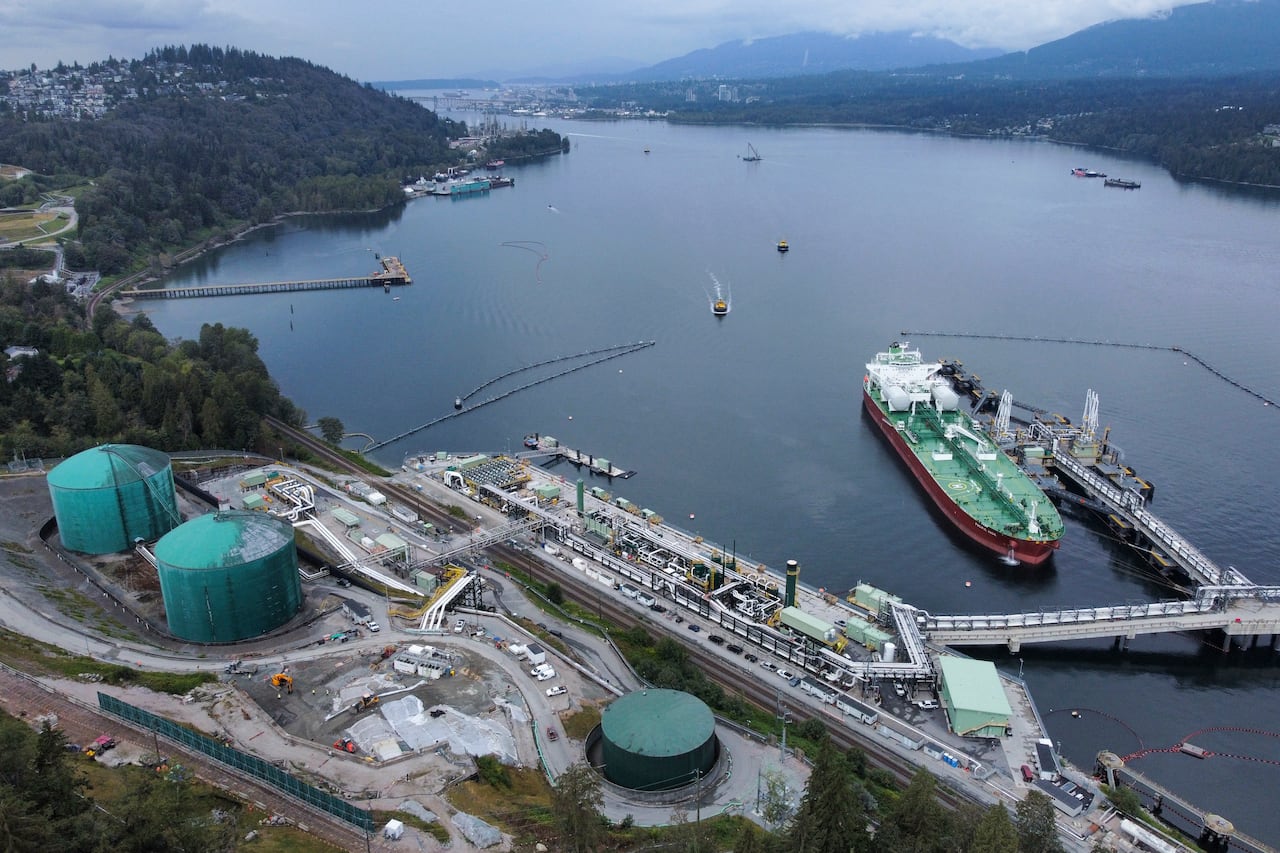
According to a quarterly report, the Westridge Marine Terminal in Burnaby, B.C., which loads crude oil onto tankers from the Trans Mountain pipeline, serviced 380 vessels from mid-2024 to the end of 2025.
Barford emphasized the various risks associated with heightened ship traffic, including underwater noise pollution and air pollution emanating from vessels, even during normal operations.
Barford explained that the increased sound pollution and contaminated air could disrupt whale communication through echolocation and harm the natural habitats of their prey.
The Alberta government assured CBC News that marine safety and species protection would be fundamental aspects integrated into every phase of the project’s development and operation.
The proposed pipeline’s trajectory could potentially intersect with the Fraser River Estuary, a critical feeding ground for the whales, known for its diverse ecosystem, highlighted Beatrice Frank, the executive director at the Georgia Strait Alliance.
One of the vital elements in this ecosystem is the Chinook salmon, a primary food source for the southern resident killer whale population.
Andrew Trites, director of the Marine Mammal Research Unit at the University of British Columbia, pointed out that climate change-induced warming of the ocean has led to a decline in salmon populations, affecting the whales’ food supply.
Salmon habitats in the region have already suffered significant losses due to development and infrastructure, according to a study from 2021.