
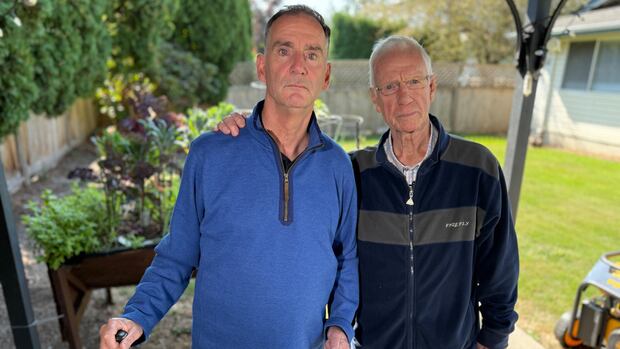
A man from Langley, B.C., who regularly uses a wheelchair finds it challenging to attend events at Rogers Arena due to non-disabled individuals occupying accessible seating. Michael Coss, who sustained a traumatic brain injury in a 2006 car accident and relies on a walker or wheelchair due to a high risk of falling, emphasizes the importance of leisure activities for his well-being. The accessible sections at Rogers Arena are meant to provide ample space for wheelchair users, with features like extra legroom, minimal seating rows, and accommodations for attendants or companions. However, there is a concern of misuse as many individuals without visible disabilities are seen occupying these designated areas.
Coss and his father, Bob Coss, have witnessed people boasting about exploiting the system to access these seats without genuine need. This issue reflects a larger problem where the abuse of accessible seating prevents those with disabilities from accessing these spaces. Despite the visible misuse, venues like Rogers Arena sell accessible seats based on an honor system without requiring proof of disability, leading to the exclusion of those who truly require such accommodations.
Advocates highlight the lack of intervention from venues, ticket sellers, and government authorities to address this issue. While some disabilities may not be apparent, the current system allows for exploitation, restricting access for individuals like Coss. Accessibility rights advocates suggest implementing measures to verify the need for accessible seating without compromising privacy. However, the current system lacks stringent checks, allowing individuals to purchase these tickets without demonstrating a genuine requirement for such accommodations.
To tackle the problem of misuse, suggestions have been made for venues to adopt a system similar to the U.K.’s Nimbus Disability Access Card, which requires proof of disability for online purchases and entry to events. The absence of such enforcement mechanisms in Canada contributes to the ongoing abuse of accessible seating. Efforts are needed to establish clearer regulations and procedures to ensure that accessible seating is reserved for those who genuinely require it, thus preventing the exploitation of these crucial accommodations.