
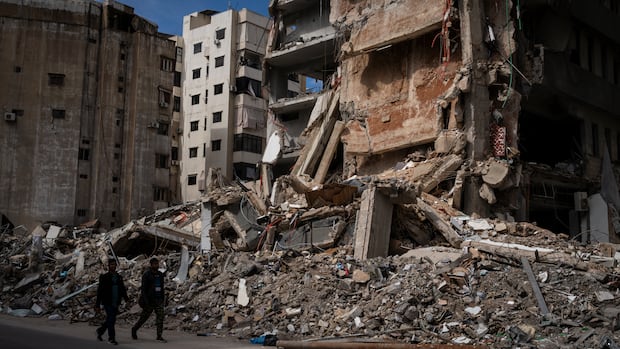
Iran rejected a U.S. proposal to halt the ongoing conflict in the Middle East and continued launching attacks on Israel and Gulf Arab nations. The latest assault caused a significant fire at Kuwait International Airport. Israel responded with airstrikes on Tehran, and the U.S. deployed additional troops to the region.
Iran dismissed the ceasefire offer, stating that it will only end the war on its own terms. The country vowed to persist with its military actions throughout the Middle East. Earlier, Pakistan had conveyed a 15-point plan to Iran, touching on various issues including sanctions relief, nuclear cooperation, and missile limits, but certain points were deemed unacceptable by Iran.
Despite conflicting reports on ongoing negotiations, the U.S. White House confirmed talks with Iran. The situation remains complex, with challenges surrounding Iran’s ballistic missile program and nuclear activities. The escalating conflict has raised global concerns, particularly due to Iran’s control over the Strait of Hormuz, a critical shipping route for oil.
United Nations Secretary General Antonio Guterres called for an end to the hostilities, emphasizing the severe humanitarian and economic impact of the conflict. The appointment of a veteran French diplomat to oversee the Middle East crisis was also announced.
Israel launched new airstrikes on Iran, targeting infrastructure and engaging in military operations in various regions. The conflict has led to missile alerts in Israel, ongoing attacks by Hezbollah in Lebanon, and Iranian strikes on Gulf Arab countries. The situation has escalated, resulting in casualties and significant disruptions to daily life in the affected regions.
The UN and various countries have expressed grave concerns over the conflict, urging all parties to cease attacks on civilians and infrastructure. The death toll continues to rise on all sides, with significant losses reported in terms of lives and displacement. The situation remains volatile and challenging to resolve through negotiations.