
Cuba has successfully restored power to a significant portion of the country’s electrical grid, according to a statement from the Ministry of Energy and Mines released early on Tuesday. This development occurred shortly after U.S. President Donald Trump intensified his rhetoric against the communist-led nation, asserting his authority over Cuba.
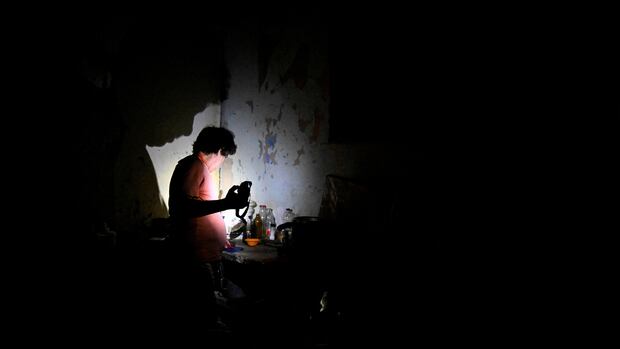
The collapse of Cuba’s national electricity grid on Monday resulted in approximately 10 million people being left without power. This situation was exacerbated by a U.S.-imposed blockade on oil, which had already put strain on the outdated power generation infrastructure of the island.
Officials in the energy sector confirmed the reconnection of the grid from Pinar del Rio province in the west to Holguin in the east. However, reports indicated that Santiago de Cuba, the country’s second-largest city, remained without power.
Despite efforts to restore the grid, electricity generation continues to be severely limited due to fuel shortages and aging power plants. This has offered little respite to Cubans who have endured prolonged periods of blackouts, with most residents, including those in the capital city Havana, experiencing at least 16 hours of blackout daily.
The cause of the nationwide grid failure on Monday has not been officially disclosed by Cuban authorities. This incident marked the first collapse since the United States disrupted Cuba’s oil supply from Venezuela and threatened to impose tariffs on fuel suppliers to the country.
Discussions between Cuba and the United States are underway to address the crisis, although details of the negotiations have not been made public. President Trump has indicated that Cuba is eager to reach a deal, with both him and Secretary of State Marco Rubio expressing intentions to expand U.S. influence in the island nation.
Despite the challenges, many Cubans support the idea of dialogue with the United States. However, there is a level of skepticism towards Trump’s intentions, with some expressing concerns about the impact of ongoing tensions on the country’s population.
The Cuban people, like 58-year-old Barbara Rodriguez, blame the U.S. for their country’s hardships, citing decades of economic sanctions and the recent escalation of the blockade on fuel imports. The severe situation has been further exacerbated by limited oil shipments to Cuba this year.
Amidst the power crisis, Cuba extended an invitation to Cuban Americans and exiles to invest in businesses on the island, as a gesture of goodwill during the ongoing discussions.
The persistent power outages have taken a toll on the daily lives of Cubans, leading to frustrations and challenges, particularly for the elderly population. Residents like Pedro Rámos and Dalba Obiedo shared their struggles with food preservation and personal safety in the midst of the ongoing electricity issues.
The situation in Cuba remains turbulent, with the population grappling with the impacts of the power crisis and the broader geopolitical tensions surrounding the island nation.