
Pakistan and Afghanistan have agreed to a temporary halt in escalating hostilities following a recent deadly airstrike in Kabul. The pause, announced before the Eid al-Fitr holiday, was facilitated by Saudi Arabia, Turkey, and Qatar, who have been mediating between the two countries since renewed fighting in February. The Afghan government held a mass funeral for victims of the strike, while Pakistan’s Information Minister stated that strikes on Afghanistan would cease until Monday, but could resume in response to any cross-border or terrorist incidents.
Afghanistan did not specify a timeframe for its side of the pause but affirmed readiness to respond to any aggression. Pakistan denied targeting a drug rehabilitation hospital, insisting its strikes were aimed at military facilities. The conflict, which began in February, has resulted in numerous casualties and disrupted previous ceasefire attempts. Pakistan accuses Afghanistan of harboring militants, a claim Kabul denies.
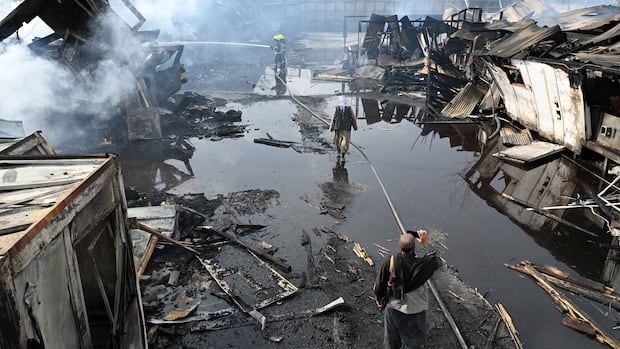
The deadly attack in Kabul, the deadliest in recent weeks, raised the death toll significantly. Bulldozers prepared for a mass funeral in Kabul as ambulances delivered plain wooden caskets for unidentified victims. The Omid hospital, a target of the strike, had been expanded by the Taliban to address drug addiction issues in Afghanistan. The strike caused significant damage, with ongoing efforts to recover bodies and assess the situation.
Pakistan defended its actions as targeting terrorist infrastructure, emphasizing precision in its strikes. The conflict has alarmed the international community due to the presence of various militant groups in the region. The ongoing violence underscores the fragility of relations between Pakistan and Afghanistan, despite international efforts to broker peace.
The situation remains fluid as both countries navigate the complexities of their shared border and historical tensions. As the conflict persists, concerns mount about the impact on civilians and the broader security landscape in the region.