
Several U.S. allies have rejected Donald Trump’s request to deploy warships for escorting tankers through the Strait of Hormuz. The U.S.-Israeli conflict with Iran has entered its third week, causing the critical waterway to be mostly closed off, impacting global energy prices and raising inflation concerns.
The lack of consultation with allies before airstrikes on Iran has led countries like Germany, Spain, and Italy to refrain from sending ships to assist in reopening the Strait of Hormuz. German Chancellor Friedrich Merz highlighted the absence of mandates from international bodies and criticized the lack of prior consultation by Washington and Israel.
During a news conference in Washington, Trump expressed frustration with certain allies’ lack of enthusiasm in providing assistance, despite claiming that many countries had expressed readiness to help. The U.S. military reported around 200 troops injured since the conflict began, with the majority sustaining minor injuries and most already back on duty.
Israel disclosed plans for a prolonged military campaign against Iran, targeting various sites, including those associated with Iran’s space program. The ongoing hostilities have led to warnings from Canada, France, Germany, Italy, and Britain about the potential humanitarian consequences of a significant Israeli ground offensive.
Iran has retaliated with threats against U.S. industrial facilities and vowed to target oil and gas installations in response to U.S. attacks. The Iranian Foreign Minister denied engaging in ceasefire talks with the U.S. and accused neighboring states hosting U.S. forces of encouraging violence against Iranians.
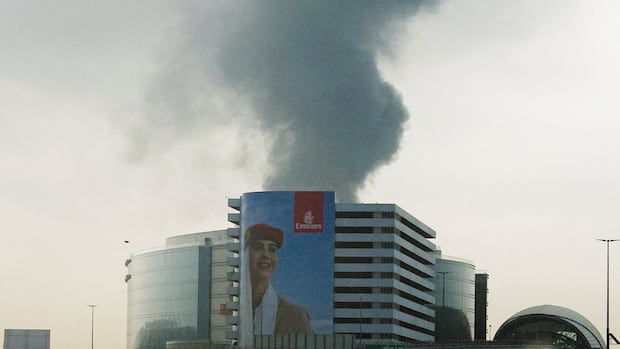
The conflict escalated further with continued airstrikes and missile threats, impacting regions like Tel Aviv and the UAE. Despite these developments, oil prices saw a slight decline, and stocks rose following indications that some Iranian fuel vessels might be allowed passage through the Strait of Hormuz.