
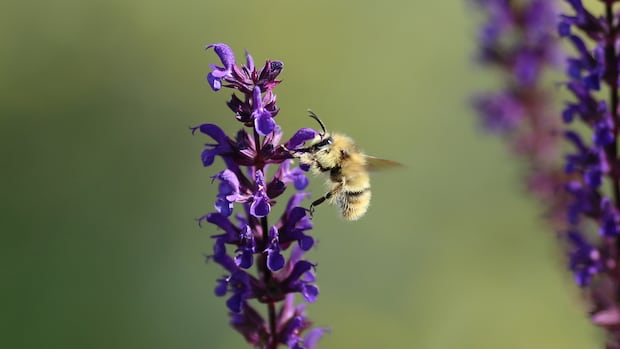
In a summer scenario at a picnic table, encountering a wasp or ant often triggers an immediate response of swatting or recoiling. Our interactions with insects, from combating mosquito bites to eradicating invasive moths, are primarily driven by fear, economic concerns, and health worries, according to ecologist Michelle Tseng.
As Canadians return to outdoor spaces during the summer, experts emphasize the need to shift our perception of insects from repulsion to recognizing their vital ecological roles. Tseng, an associate professor at the University of British Columbia, highlights that the majority of insects are essential for ecosystem balance and functionality, a fact often overlooked by the general public.
Zoologist Jo Wimpenny explains that children initially exhibit a natural curiosity towards insects, but societal influences instill fear as they grow older. Categorizing insects as either “good” or “bad” oversimplifies their significance and contributes to a lack of understanding about their diverse roles in nature.
Highlighting the ongoing decline of insect populations due to various factors like habitat loss and climate change, Wimpenny stresses the importance of appreciating the complexity of insect communities. She urges a shift towards viewing insects as allies rather than adversaries, emphasizing their contributions to pollination, pest control, and ecosystem health.
By adopting practices like companion planting in his garden, Grant Minkhorst has embraced a harmonious coexistence with insects, allowing natural predators to manage pest populations effectively. Through such approaches, individuals can support insect biodiversity and cultivate a mutually beneficial relationship with these often misunderstood creatures.
While acknowledging the need for pest management in certain contexts, experts caution against indiscriminate use of insecticides and urge a more nuanced approach to dealing with invasive species. Tseng emphasizes the importance of awareness and proactive measures to mitigate potential risks associated with insects, advocating for a balanced perspective on insect-human interactions.
Drawing inspiration from Indigenous perspectives that emphasize stewardship and interconnectedness with nature, Tseng highlights the value of viewing insects as integral components of a thriving ecosystem. By reframing narratives and fostering a deeper appreciation for insects, individuals can cultivate a more harmonious relationship with the natural world, moving towards a future where insects are regarded as friends rather than foes.