
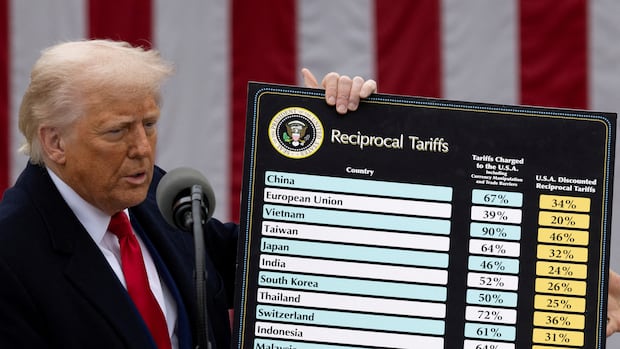
The Trump administration initiated a trade investigation on Wednesday targeting excess industrial capacity in 16 major trading partners. This move follows the U.S. Supreme Court’s recent decision that dismantled a key aspect of Trump’s trade policy. Notably, Canada is excluded from the list of countries under scrutiny in the new probe.
The U.S. Trade Representative, Jamieson Greer, announced that the Section 301 investigation into unfair trade practices could result in the imposition of new tariffs on countries like China, the European Union, India, Japan, Mexico, and South Korea by this summer. Apart from these nations, other countries included in the excess capacity probe are Taiwan, Vietnam, Thailand, Malaysia, Cambodia, Singapore, Indonesia, Bangladesh, Switzerland, and Norway.
Following the Supreme Court ruling in February, which invalidated Trump’s attempt to impose tariffs using emergency powers, the administration aims to recoup lost revenues through alternative legal avenues to introduce new levies.
The administration has commenced investigations under Section 301 of the Trade Act of 1974, potentially leading to the implementation of new import taxes. However, Greer emphasized during a press call that the outcome of the process remains uncertain, emphasizing the administration’s commitment to safeguarding American jobs.
The initiation of the process to replace previous tariffs could reignite global economic uncertainties that emerged last year due to the now-defunct tariffs. The impact of new import taxes on existing trade agreements remains unclear. Greer advised trading partners to adhere to their agreements but stopped short of guaranteeing immunity from potential new Section 301 tariffs.
The government is targeting persistent trade surpluses, subsidies, suppression of workers’ wages, and plans to ban imports produced by forced labor through Section 301 investigations. Additional investigations may address digital service taxes, pharmaceutical drug pricing, ocean pollution, among other potential issues.
International response varied, with the European Parliament expressing reservations about deviating from existing agreements, China criticizing the U.S. stance on overcapacity, and Taiwan and Indonesia affirming the importance of their trade agreements with the U.S. in guiding bilateral trade relations.