
The University of Manitoba and the Arctic Research Foundation are progressing into a crucial stage of a research initiative aimed at transforming Churchill into a year-round maritime center. This phase of the study, initiated in January, will focus on evaluating the viability of utilizing icebreakers to prolong the operational period at the port, as stated in a press release from the University of Manitoba. Currently, the port functions for approximately four months each year.
Feiyue Wang, the Canada Research Chair in Arctic Environmental Chemistry and director of the Churchill Marine Observatory, emphasized the necessity of ice-breaking support to maintain a continuous shipping route over winter. The study aims to ascertain the optimal shipping route to the Atlantic Ocean and eventually to northern Europe, encompassing mapping over 2,000 kilometers.
Prime Minister Mark Carney recently highlighted the priority status of expanding the Port of Churchill to establish a trade corridor through northern Manitoba. Wang, in collaboration with researchers from the University of Manitoba’s Centre for Earth Observation Science, is leading the study, which is funded with $188,000 from the total commitment of $750,000 from federal and provincial sources. The warming trend in Hudson Bay, particularly in the northwestern region affecting shipping routes, will be a critical focus of the research.
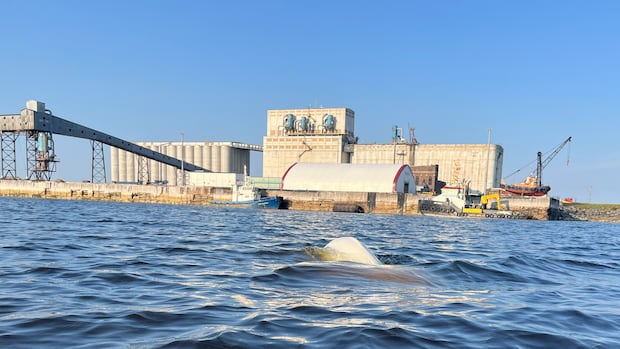
The study will utilize the POLARIS system to assess ice conditions and climate models under varying emission scenarios. Additionally, it will investigate ecologically sensitive periods to optimize routing and vessel operations. The presence of 55,000-60,000 beluga whales in western Hudson Bay and the Churchill River estuary during summer underscores the significance of environmental considerations in the study.
Chris Avery, the CEO of the Arctic Gateway Group, emphasized the potential benefits of expanding the Port of Churchill for Canada’s economy, emphasizing the diversification of national supply chains and increased access to global markets for western Canadian resources. The project aims to drive economic growth in Arctic communities while respecting their terms and conditions.
The final report detailing the research findings is expected to be delivered by February 2027. If the results are confirmed, the project will advance to a field testing phase with research vessels before potential deployment of large icebreakers.