
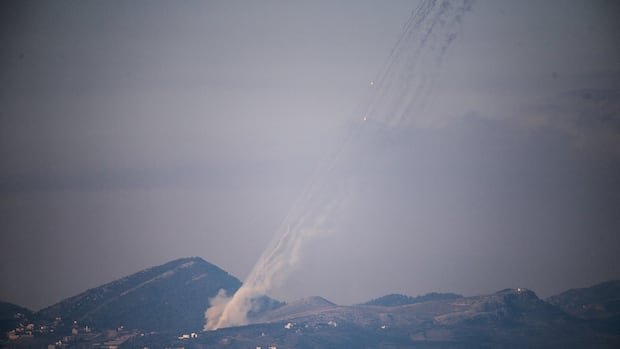
Israeli troops entered southern Lebanon on Tuesday, prompting warnings for residents in over 80 villages to evacuate amidst escalating tensions with the Iran-backed Hezbollah group. The move followed Hezbollah’s rocket attacks and drone launches into northern Israel, which resulted in Israeli retaliatory airstrikes causing casualties in Lebanon. The death toll was initially reported as 52 but later revised to 50, with hundreds wounded and tens of thousands displaced.
Hezbollah declared readiness for an “open war” with Israel following Israeli airstrikes targeting its facilities. Israeli military operations intensified, including strikes on Hezbollah officials in Beirut, prompting Hezbollah to break a ceasefire agreement citing continuous Israeli attacks on Lebanon. Lebanese President Joseph Aoun informed foreign ambassadors of Hezbollah’s rocket launch locations in violation of ceasefire boundaries.
The Israeli military reinforced its positions in southern Lebanon, as the Lebanese army reportedly repositioned along the border. UN peacekeepers observed Israeli troops crossing into Lebanon, while Israeli forces confirmed their continued presence in the region. Tensions escalated further after Hezbollah’s recent attacks, following a history of conflicts and ceasefire violations between Israel and Lebanon.
The conflict between Israel and Hezbollah has a long-standing history, with sporadic escalations leading to full-scale wars and ceasefire agreements. The recent developments highlight the fragile peace in the region, with both sides ready to engage in further hostilities. The situation remains volatile, with concerns of broader regional implications arising from the ongoing conflict.