
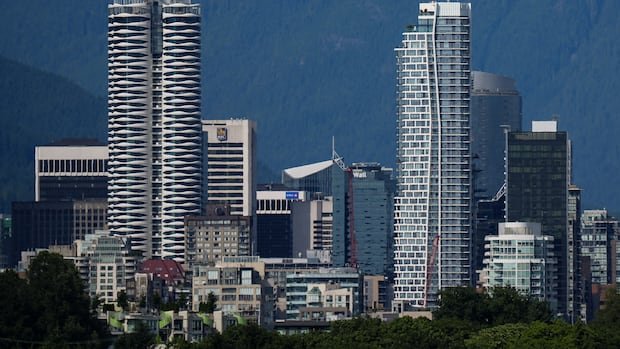
The need for inexpensive housing is a pressing concern, with numerous unoccupied condominiums in British Columbia awaiting buyers. To address this issue, Prime Minister Mark Carney and the B.C. government are collaborating to repurpose vacant condos into affordable housing options. Carney revealed in Ottawa that the proposed initiative involves the government potentially contributing 10% of approximately $1.45 billion to convert around 2,200 empty units into rent-to-own residences, with the B.C. government covering the remaining costs.
Despite Carney framing the program as a means to assist potential homeowners, critics like Opposition leader Pierre Poilievre have condemned it as a bailout for major developers, with concerns raised about wealth redistribution. The lack of clarity surrounding the acquisition of unsold units has also drawn skepticism, according to Mike Moffatt, the founding director of the Missing Middle Initiative at the University of Ottawa.
The surplus of unsold condos in Metro Vancouver and the Greater Toronto Area is exacerbating housing affordability challenges nationwide. Urbanation reported a record 4,295 unsold newly completed condos in the GTA in the first quarter of 2026, while recent data from the Canada Mortgage and Housing Corporation indicated a 76% rise in completed empty condos in Metro Vancouver compared to the previous year.
The partnership between the B.C. and federal governments also involves a $1.6 billion investment over a decade to reduce development charges for multi-unit housing in priority communities. Wendy McNeil, CEO of the Homebuilders Association Vancouver, sees this as vital support for an industry burdened by high costs, emphasizing the importance of affordable housing provision.
While the plan to convert vacant condos may be perceived as a bailout by some, Moffatt differentiates between a bailout and a strategic investment, highlighting the potential benefits of acquiring finished condo units instead of relying solely on developers for new constructions. The initiative mirrors existing practices by private investors who purchase condo inventory at discounted rates, raising questions about its impact on existing homeowners and the market dynamics.
The spike in unsold condos prompts considerations about allowing the market to self-correct rather than government intervention, as noted by housing experts like Andy Yan. The evolving situation underscores the need for a nuanced approach to address housing affordability challenges across the country.