
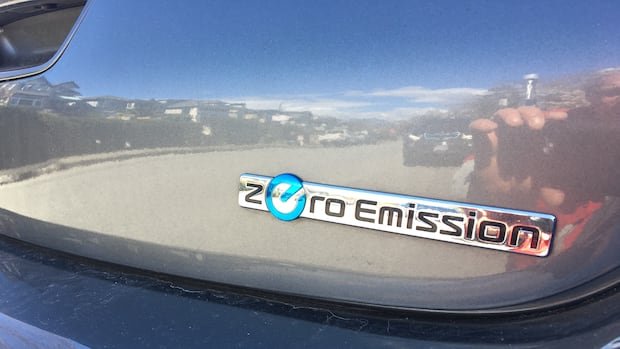
The provincial government in British Columbia is adjusting its target for zero-emission vehicle sales, revising the goal from 100% to 75% by 2035. The Ministry of Energy and Climate Solutions is making legislative changes to align with federal objectives and is funding 75 new public charging projects for electric vehicle users throughout the province.
According to B.C. Energy Minister Adrian Dix, these measures will enhance options for both the industry and consumers. The amendments are expected to be implemented by the fall, maintaining a 26% sales compliance requirement for this year and 2027.
The Pembina Institute, a clean-energy think tank, expressed encouragement at the decision to retain the 75% target despite prevailing economic conditions. The institute’s clean growth director emphasized the importance of sales requirements in ensuring coordinated progress in vehicle supply, infrastructure investment, and industry planning.
The ministry stated that the alignment with federal goals would offer certainty to automakers, reduce regulatory burdens, and tackle challenges related to slower consumer adoption rates. Future targets for 2028 to 2030 will be shaped by upcoming federal plans anticipated in the summer.
The New Car Dealers Association of B.C. welcomed the government’s move as a positive step towards a more adaptable zero-emission vehicle policy. The association highlighted the importance of policy flexibility evolving alongside consumer preferences to bridge the gap between ambition and market reality.
In 2019, British Columbia set a global precedent by legislating a 100% zero-emission vehicle sales target to combat greenhouse gas emissions.