
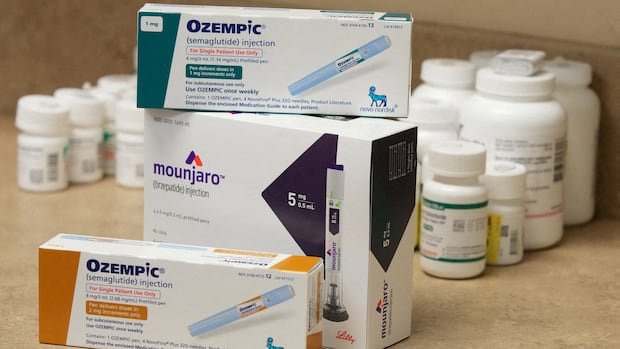
A recent review reveals that individuals who are overweight or obese and discontinue their weight-loss medications tend to regain weight quicker compared to those who cease diet or exercise programs. The popularity of weight loss drugs containing semaglutide, found in medications like Ozempic and Wegovy, has soared. However, approximately half of individuals with obesity on these medications, known as glucagon-like peptide agonists or GLP-1s, discontinue usage within a year due to factors such as high costs and gastrointestinal side effects.
The review, published in the latest BMJ issue, emphasizes the importance of comprehending weight regain due to the associated risks of diabetes and heart disease. Research conducted by Sam West and colleagues at the University of Oxford involved analyzing various studies on over 6,000 overweight or obese adults who took GLP-1s or older weight-loss medications versus 3,000 participants in behavioral weight management programs.
Upon stopping weight-loss drugs, participants typically regained 0.4 kg per month, leading to an average weight regain of 4.8 kilograms or 10 pounds within the initial year. It is estimated that risk factors for diabetes and heart disease would revert to pre-treatment levels in less than two years post-discontinuation.
The rapid weight regain post-medication cessation was highlighted as concerning by Sam West, who noted that individuals who discontinued weight-loss drugs regained weight nearly four times faster than those who stopped exercising or adhering to their diets. The study encompassed a variety of diet plans, including group programs like Weight Watchers. Even individuals who terminated behavioral programs experienced weight regain.
Dr. Sonja Reichert, an expert in family medicine at Western University, cautioned that new weight loss medications are not a quick solution for individuals grappling with obesity. Reichert emphasized the long-term nature of these medications, drawing parallels with managing chronic diseases such as high blood pressure.
The challenge lies in the temporary effects of GLP-1 medications, as once discontinued, the appetite-suppressing benefits diminish, while environmental factors like processed food availability continue to influence weight regain. Dana Small from McGill University stressed the importance of integrating weight-loss maintenance strategies and reshaping the food environment alongside prescribing weight-loss medications.
Support during treatment, including nutritional guidance, was found to enhance weight loss outcomes. However, the reasons behind the accelerated weight regain following medication cessation remain unclear. Reichert highlighted the need for further research on post-medication support strategies.
Looking ahead, advancements in access to medications, potential cost reductions, and increased support from insurance companies for behavioral programs are anticipated. The focus is on fostering healthy lifestyle changes while addressing the challenges individuals face due to biases associated with body weight.