
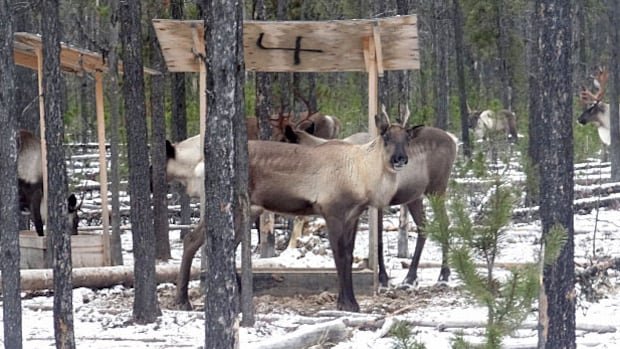
A recent ruling from B.C.’s Environmental Appeal Board (EAB) has stirred debate around the definition of “hunting” as it pertains to a wildlife biologist’s actions towards an endangered caribou herd in northern B.C. Doug Heard, a wildlife biologist with a background in the provincial government and an adjunct professor at the University of Northern B.C., has dedicated the last decade to the restoration of an endangered caribou herd at Kennedy Siding, a critical 223-hectare habitat for threatened woodland caribou near Mackenzie, B.C. His approach to collecting caribou hair for DNA analysis was deemed unlawful.
On November 7, 2024, ministry officials observed Heard using a “cable caster” device equipped with small clamps (referred to as alligator clips) to extract caribou hair at a feeding station, a method that violated his permit terms. While Heard was authorized to gather DNA samples from hair and feces, physically removing hair from the animals was prohibited. Following the incident, his permit was revoked, leading to an appeal by Heard. In a ruling issued on May 7, the EAB affirmed that his actions constituted illegal hunting under B.C. legislation.
The Wildlife Act defines hunting as the pursuit of animals with the intent to capture even a part of the animal, like hair, regardless of whether the wildlife is harmed or caught thereafter. The EAB emphasized that allowing Heard’s actions to go unchecked could set a precedent for individuals to target wildlife as long as their aim was to capture specific parts rather than the whole animal. The tribunal concurred with the province’s argument against Heard’s methods.
Despite Heard’s argument that the cable caster was less intrusive than his prior techniques involving a dart gun and toy crossbow, the board had previously deemed those methods inappropriate under his permit. The board recommended less invasive sampling procedures to minimize disturbance to caribou, emphasizing the opportunistic collection of hair. Heard became eligible to reapply for a wildlife permit in May but chose not to comment on the ruling.