
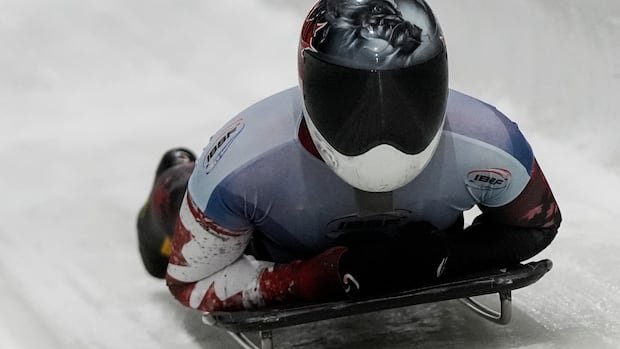
Canadian skeleton athletes Madeline Parra and Brielle Durham have expressed their support for their coach’s decision to withdraw them from a race, sparking controversy among nations vying to qualify for the Winter Olympics. Parra and Durham, alongside two other Canadian women, were pulled out of a North American Cup race in Lake Placid, affecting the qualification process for the upcoming Winter Olympics in Italy.
The removal of the four Canadian athletes reduced the field size from 23 to 19, impacting the available Olympic qualification points. This move faced criticism from U.S. slider Katie Uhlaender and Denmark’s bobsleigh and skeleton federation, who accused Canada of strategic manipulation to safeguard the rankings of their senior athletes for the Olympics.
In response, Bobsleigh Canada Skeleton defended their decision, emphasizing the priority of the young athletes’ well-being during the series of races in Lake Placid. Parra, 18, and Durham, 21, explained that their withdrawal was based on considerations of athlete welfare and enhancing Canada’s chances of securing multiple spots in the Olympic Games.
Uhlaender raised concerns about the athletes’ willingness to race and alleged fear of speaking out against the decision. Despite the controversy, Durham affirmed her support for the senior athletes and emphasized the importance of team unity.
Looking ahead, 25 women are set to compete at the Cortina Sliding Centre, with countries earning entry quotas based on world rankings. The situation has prompted Denmark’s federation to call for an investigation by the International Bobsleigh and Skeleton Federation to ensure fair play and competition integrity.
As the debate continues, the focus remains on the athletes’ points earned from various circuits, with implications for Olympic qualification and the development of young talent in the sport. The unfolding events underscore the complexities and challenges faced by athletes and federations in the competitive world of skeleton racing.