
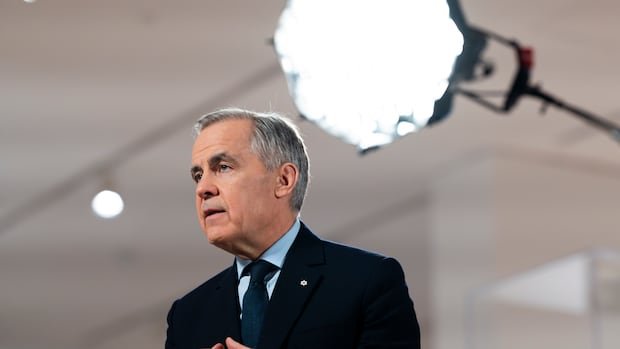
Three prominent automotive leaders in Canada have raised concerns with the Prime Minister about the financial burden imposed on their companies due to uncertainties surrounding the government’s regulations on electric vehicle sales. The heads of Ford, General Motors, and Stellantis in Canada penned a letter to Prime Minister Mark Carney, urging him to revoke the Liberal government’s electric vehicle (EV) mandate. This mandate requires automakers to increase the sale of zero-emission vehicles over the next ten years, with a set target of 20% for this year. However, Carney announced a pause on the regulations for 2026 to conduct a review, citing industry pressures from U.S. tariffs.
Known as the Electric Vehicle Availability Standard (EVAS), the mandate is still in effect for subsequent years, with a target of 100% zero-emission vehicle sales by 2035. Despite the government’s commitment in the recent budget to provide clarity on electric vehicles soon, no official announcement has been made yet.
The automotive executives emphasized the urgency of the situation in their letter to Carney, expressing concerns that a delay in decision-making would lead to significant compliance costs for their companies. Brian Kingston, representing the Canadian Vehicle Manufacturers’ Association, highlighted the challenges faced by automakers in planning for future model years under the current regulatory uncertainty.
The review of EVAS has concluded, with the government considering feedback from various stakeholders to ensure the regulations align with market dynamics and do not unduly burden automakers. Kingston has been advocating for a complete repeal of the mandate, arguing that the targets are unrealistic and detrimental to the industry’s sustainability.
As automakers prepare for the 2027 sales target, they are faced with decisions on production planning and inventory management. Failure to meet sales targets could result in substantial costs, either through credit purchases or investments in charging infrastructure. Kingston warned that maintaining current sales rates could lead to a drastic reduction in gas-powered vehicle sales, potentially causing economic repercussions and job losses.
While the automotive industry supports electrification efforts, Kingston stressed the importance of government support in enhancing charging infrastructure and reintroducing purchase incentives to drive consumer adoption of electric vehicles. The industry awaits further government action to address these critical issues and provide clarity on the regulatory landscape.