
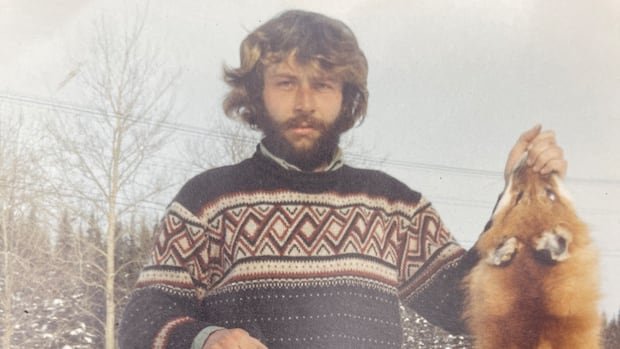
Robert Stitt, a 75-year-old trapper, has spent 55 years outdoors trapping in the southeast Yukon on the Beaver River. However, due to the high cost of aircraft rentals and the increasing threat of wildfires in the area, he has decided to give up his trapline this year. Stitt expressed concerns about the potential loss of his camp to wildfires, highlighting the ancient riparian forests and massive spruce trees in the region.
Over the years, Stitt has gathered numerous stories from his time on the trapline, including encounters with wildlife such as a bear and a cow moose. In one incident, he successfully dealt with a bold black grizzly bear that approached his camp. Stitt also shared a hair-raising experience involving a charging cow moose that he narrowly escaped from.
Despite not returning to his Beaver River camp this winter, Stitt remains passionate about the bush and plans to find a different trapline for the upcoming season. Known for his expertise in fur handling, Stitt’s skills are highly valued in the trapping community, with others appreciating his methodical and informative approach to teaching.
Jackie Yaklin, the secretary-treasurer of the Yukon Trappers Association, commended Stitt for his exceptional fur handling abilities, particularly with marten pelts. She emphasized the importance of passing on knowledge and skills to younger trappers, highlighting the self-sufficiency and resilience that define individuals like Stitt who are drawn to the trapping lifestyle.