
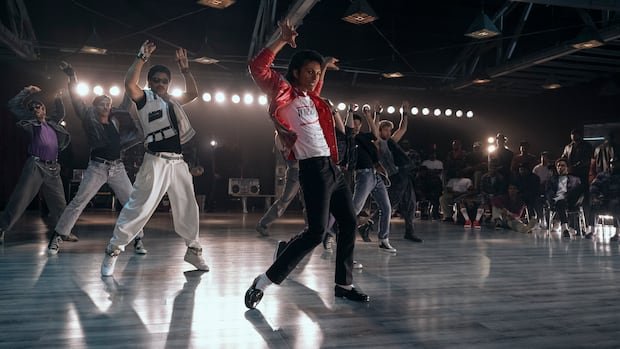
A deep dive into the enigmatic persona of Michael Jackson has left many wondering about the origins of his distinctive voice, the weight of his immense fame, and the impact of his stolen childhood. However, the latest biopic “Michael,” directed by Antoine Fuqua, disappoints in its exploration of the legendary pop icon’s psyche and motivations.
The film’s narrative was constrained by legal issues, leading to a revision that focused primarily on Jackson’s early rise to stardom and omitted any controversial aspects related to allegations of sexual abuse. This resulted in a sanitized portrayal of Jackson’s life, lacking in depth and critical examination.
Notable figures like Diana Ross were also sidelined due to legal constraints, reshaping the film’s initial intent to exonerate Jackson into a more subdued narrative. Janet Jackson’s absence was reportedly at her own request, a decision that may have preserved her artistic and public image.
Despite occasional glimpses into contentious themes, “Michael” ultimately shies away from delving into the complexities of Jackson’s life and career. The film opts for a feel-good portrayal, focusing on Jackson’s charitable acts and musical achievements while sidestepping darker elements of his story.
The film’s glossing over of significant events and relationships, such as the rivalry between Jackson and his brother Jermaine, raises questions about its authenticity and depth. It fails to provide a nuanced exploration of Jackson’s character, relying instead on a simplistic and idealized depiction of the iconic artist.
In a landscape where music biopics tend to mythologize their subjects, “Michael” falls into the trap of presenting Jackson as a near-mythical figure, overlooking the complexities and controversies that defined his life. The film’s reluctance to confront challenging aspects of Jackson’s legacy raises concerns about the authenticity of its portrayal.
Despite the film’s attempts to celebrate Jackson’s legacy, critics argue that it falls short in offering a balanced and insightful depiction of the artist. By overlooking the darker aspects of Jackson’s life and career, “Michael” misses an opportunity to engage with the complexities of his persona and legacy, ultimately delivering a superficial and sanitized narrative.