
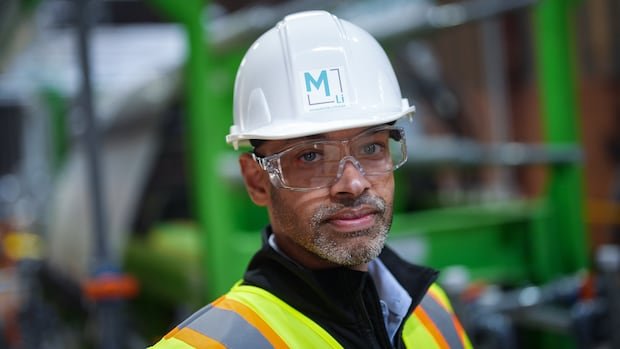
Tucked away in a series of modest industrial buildings in Delta, British Columbia, amidst businesses specializing in various products like plumbing supplies, ladders, and fitness equipment, is North America’s inaugural electrochemical lithium refining plant. This location might seem unlikely for Canada to challenge China’s dominant position in lithium refining, a crucial mineral that has become a significant concern from the White House to Ottawa and beyond.
During a private tour, Mangrove Lithium’s CEO and founder, Saad Dara, humorously likened the facility to a “clown building.” Amidst the din of machinery, he gestured towards different sections of the plant, including the research and development lab.
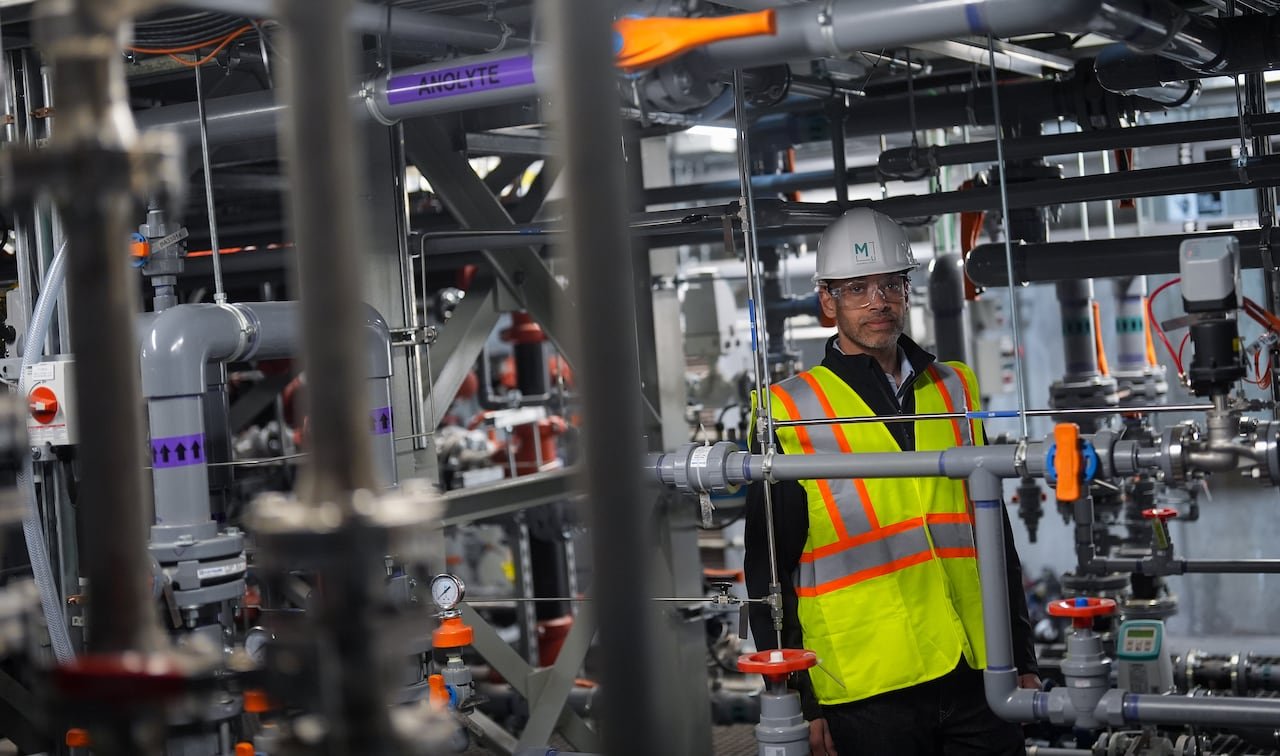
While the company marked its official opening with a ribbon-cutting ceremony recently, Dara emphasized the lengthy journey to reach this milestone. He recalled how the idea started as a personal project and thesis in 2013, evolving into a company in 2018. Since then, they have been diligently working on commercializing the technology.
According to Dara, the facility now employs approximately 75 individuals. He highlighted the extensive efforts involved in designing and constructing the pioneering plant, which transitions their pilot operations into a fully functional facility.
He expressed optimism about commencing the production of initial natural-grade materials in the upcoming months, aiming for complete commercialization of the technology.
Trade Dynamics
This development aligns with global efforts to secure supply chains amidst escalating trade tensions and the surging demand for essential metals like copper, nickel, and lithium, vital for electrification and defense priorities.
The Canadian government has identified lithium as a critical mineral due to its significance in battery manufacturing and the shift towards renewable energy. Canada presently operates two mines in Manitoba and Quebec.
However, Dara highlighted that a substantial portion of global lithium mining and refining, approximately 75%, occurs in South America and Australia, with China refining about 75% of the global lithium supply, including a significant portion from Canada.
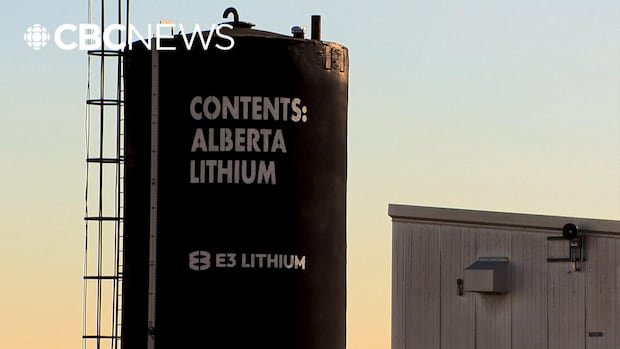
The Alberta government says our province could be sitting on one of the largest lithium resources in the world, with a new report from the Alberta Geological Survey estimating the deposits at 80 million tonnes. Brendan Bishop, a postdoctoral fellow at the University of Texas at Austin, has extensively studied lithium resources in Western Canada.
Dara outlined the six segments of the lithium market, from mining and refining to active materials, battery assembly, EV assembly, and recycling, emphasizing China’s dominance across all segments. He noted China’s early investments in the sector, positioning them significantly ahead in the industry.
While Canada participates in lithium production, it lacks capabilities in EV assembly, active materials, and recycling, as per Dara. He acknowledged ongoing efforts to bridge these gaps but anticipated a gradual process.
Dara emphasized that with the operational refinery,