
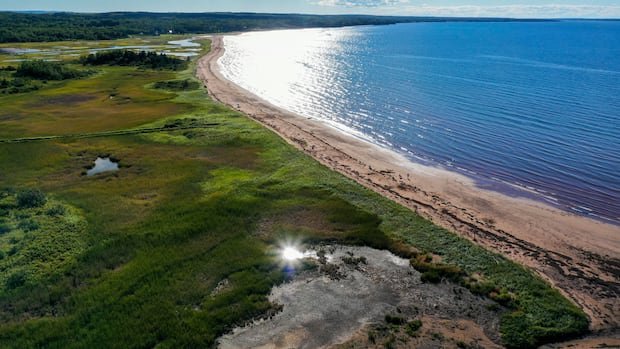
Nova Scotia’s environment minister announced on Thursday that the government has expanded the protected land area in the province, but the approach taken has drawn criticism from environmentalists and the interim Liberal leader. Responding to a query from Iain Rankin during question time, Tim Halman stated that the government has safeguarded 14.55% of the province, nearing the target of 15% by year-end. Halman highlighted that the recent increase from 13.8% was achieved through the use of other effective area-based conservation measures (OECM), which involve protecting land unsuitable for forestry activities, such as steep slopes or buffer zones between water bodies and forestry operations.
Rankin noted this shift as unprecedented in the province, emphasizing that it aligns with the 2023 collaborative protected areas strategy, which identified OECMs accounting for 1.2% of protected land. Halman stressed the importance of balancing conservation efforts with economic development, particularly in the realm of responsible resource utilization.
Ange Whiteway from the Canadian Parks and Wilderness Society-Nova Scotia expressed concern over the inclusion of wildlife clumps and buffer zones in the protected land count, suggesting that this approach may disregard areas of high conservation significance. Whiteway emphasized the importance of preserving intact forest ecosystems and habitats for rare and endangered species, which hold cultural value for Nova Scotians and are irreplaceable once lost.
The government’s shift in focus regarding protected land priorities could potentially jeopardize millions of dollars in federal funding. Under the Canada-Nova Scotia Nature Agreement, the province received $25 million to expand protected and conserved areas by 82,500 hectares. Halman refrained from confirming whether the allocated funds would be fully utilized or returned to the federal government. Whiteway expressed concern that key proposed protected areas, containing vital coastal regions, old-growth forests, and habitat for endangered species, may not receive legal protection if not prioritized.
The future of protected areas in the province hangs in the balance, with stakeholders highlighting the need to safeguard valuable ecological and cultural landscapes.