
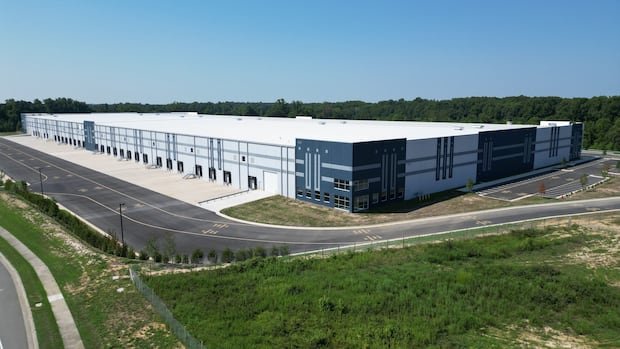
The U.S. Department of Homeland Security is currently negotiating the acquisition of a warehouse in Virginia owned by Jim Pattison, a billionaire from British Columbia. The intention is to convert the warehouse into an Immigration and Customs Enforcement (ICE) processing facility. The Department of Homeland Security communicated its plans to purchase and refurbish the approximately 550,000-square-foot property in a letter dated January 21 addressed to Hanover County officials in Virginia. The warehouse, owned by Jim Pattison Developments since 2022, may undergo both external and internal modifications to accommodate ICE’s needs, including the creation of holding and processing areas.
Jim Pattison, a prominent businessman and philanthropist with diversified interests in sectors such as real estate, automotive, media, and retail through the Jim Pattison Group, did not respond immediately to requests for comments on the matter. The potential deal has sparked criticism, including a call for a boycott of Pattison’s Save-on-Foods grocery stores by the leader of the B.C. Green Party.
Pattison joins other Canadian companies facing backlash for their associations with ICE. For instance, Hootsuite, a tech company based in Vancouver, secured a $95,000 US pilot project with ICE involving monitoring social media discussions about the immigration agency. Additionally, ICE has allocated funds for a significant order of 20 armored vehicles from Roshel, a defense manufacturer based in Brampton, Ontario.
Amid ICE’s extensive immigration enforcement actions, which have resulted in fatal incidents and drawn public scrutiny, business ethics experts emphasize the importance of companies being transparent about their affiliations. Chris MacDonald, an associate professor at Toronto Metropolitan University, highlights the ethical considerations and potential consequences for businesses engaging with controversial entities like ICE.
B.C. Green Party leader Emily Lowan has publicly urged Jim Pattison to cut ties with ICE and called for a boycott of his businesses, citing concerns over the ethical implications of supporting controversial practices. Local opposition to the conversion of Pattison’s warehouse into an ICE facility has been voiced by Michael Berdan, a Hanover County resident and immigration advocate, who believes such a move contradicts Pattison’s philanthropic endeavors.
The Hanover County Board of Supervisors is set to deliberate on the warehouse purchase proposal, with the Department of Homeland Security extending invitations to various tribes for consultation on the matter.