
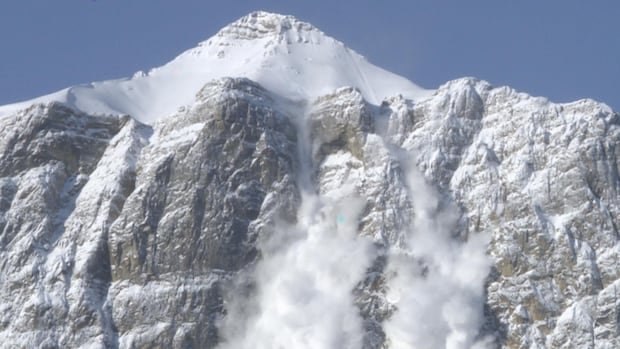
A warm storm moving through British Columbia this weekend is heightening avalanche risks during a period that typically records the highest avalanche fatalities in Canada. Environment and Climate Change Canada predicts the system will bring precipitation, strong winds, and elevated freezing levels across the province, increasing snowfall at higher elevations.
Meteorologist Brian Proctor emphasizes that avalanche danger is set to peak on Saturday in parts of the South Coast, including the North Shore Mountains, as freezing levels are anticipated to rise over 1,500 to 1,800 meters. The combination of rain falling on existing snow in mountain areas is expected to escalate avalanche risk.
Forecaster Karina Bakker explains that the introduction of new snow or rain on existing snow layers can intensify pressure, potentially causing collapses or slides. The current risk is due to “persistent slab” conditions where a layer of snow rests above weaker snow buried deeper in the snowpack, making avalanches harder to predict.
March historically witnesses the highest number of avalanche fatalities in Canada, with 69 deaths occurring in the past two decades. Bakker attributes this heightened risk in March to the evolving snowpack complexity resulting from various weather cycles throughout the winter.
Avalanche Canada urges backcountry enthusiasts to stay informed about daily forecasts and choose safer terrains. When avalanche danger is considerable, it is recommended to stick to slopes under 30 degrees and avoid avalanche-prone areas entirely when the danger rating is high.